Among the dozens of nutrients researchers have studied in connection with male fertility, zinc stands out as one of the most consistently significant — a trace mineral that plays an outsized role in everything from raw sperm production to the hormonal signals that keep the entire reproductive system functioning properly.
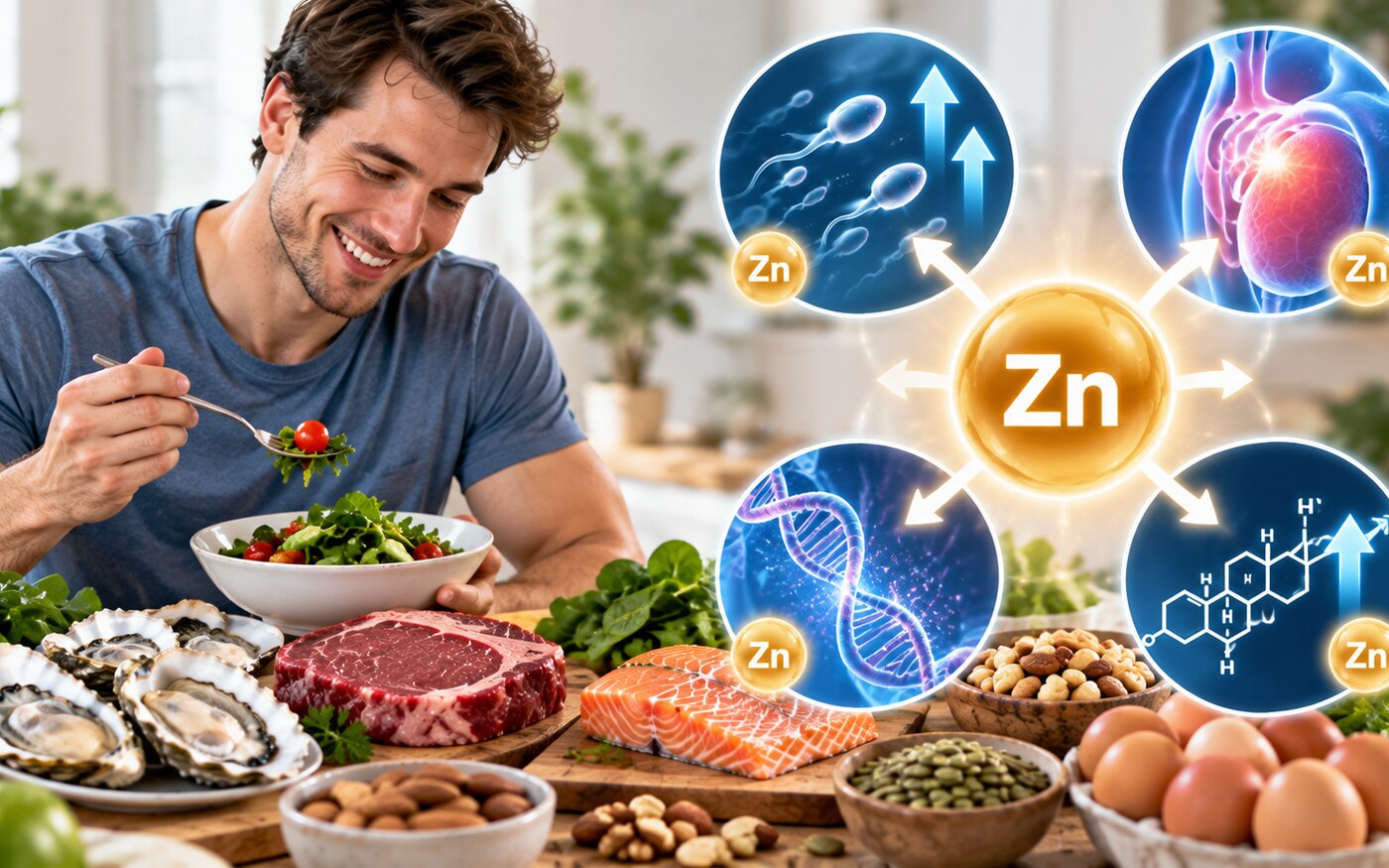
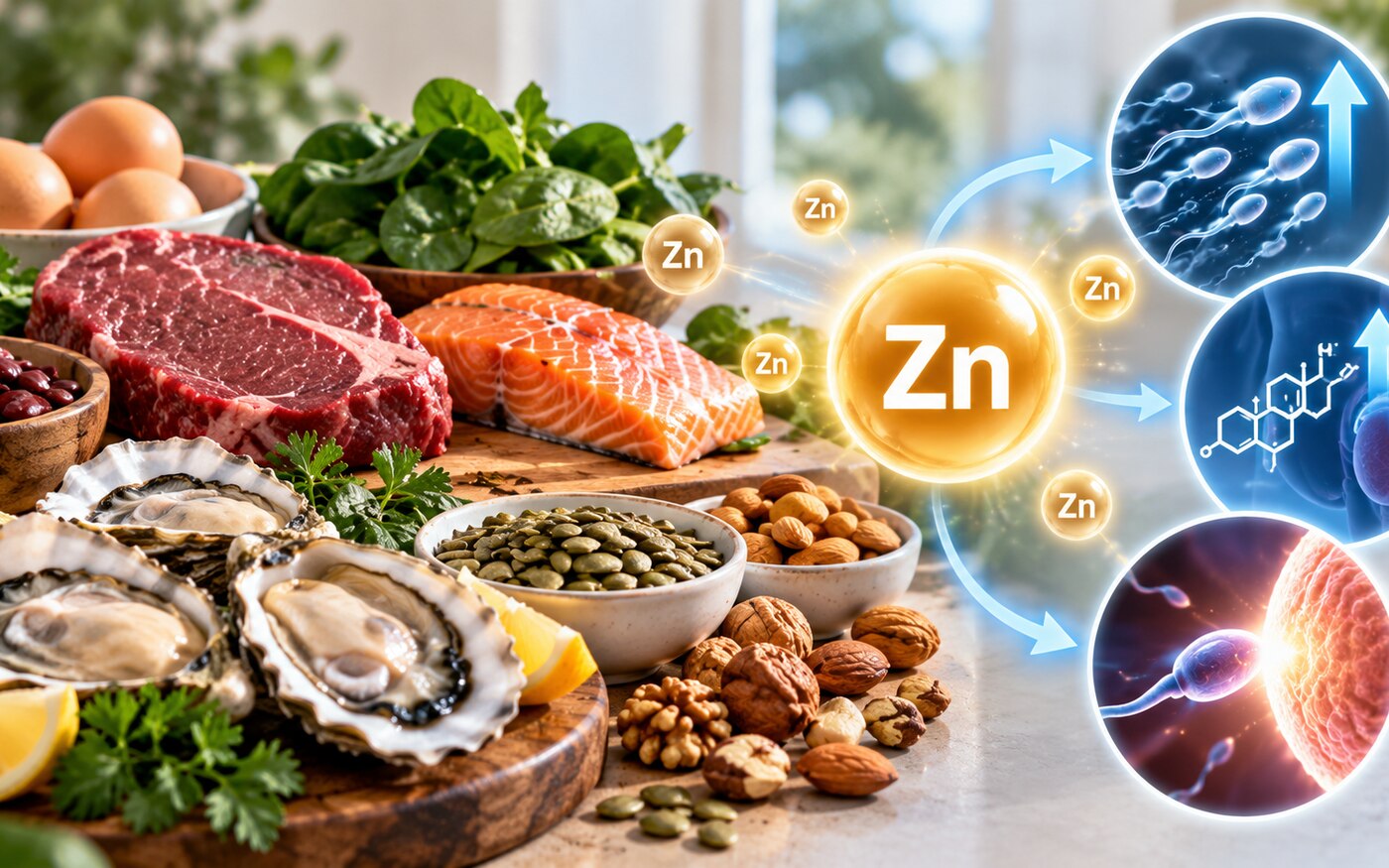
Zinc is directly involved in nearly every stage of sperm cell formation: it supports the structural integrity of sperm DNA, plays a role in the final maturation process, and contributes to healthy motility. It also supports the body's production of testosterone, the hormone that underpins libido, sperm production, and overall reproductive function — meaning a zinc deficiency can have ripple effects across several aspects of male fertility at once, not just one isolated area.
Zinc deficiency can be genuinely subtle and easy to miss, but it may show up as ongoing fatigue, unusually slow wound healing, noticeable hair thinning, or a weakened sense of taste or smell. The challenge is that these signs overlap with many other common conditions, which is part of why zinc status often goes unchecked unless a man specifically has it tested.
Oysters are famously one of the richest natural sources of zinc by a wide margin, but red meat, poultry, beans, and whole grains all contribute meaningfully to daily intake as well, making it realistic to boost zinc levels through diet alone for many men.
Most men in the US get enough zinc from food, but some groups are more likely to fall short. You may want to pay closer attention if any of these sound like you:
There isn't one perfect test for zinc. A doctor can order a blood zinc level, but blood levels don't always reflect what's stored in the body, and results can shift with recent meals, infection or time of day. That's why a doctor will usually look at your diet, symptoms and health history together with any lab result.
For fertility, the most useful test is a semen analysis. It measures sperm count, movement (motility) and shape (morphology). Having a baseline result before you change your diet or start supplements gives you something real to compare against about three months later. If you want to learn more about what those numbers mean, our guide to sperm quality walks through the basics.
If you've been trying for a year without a pregnancy (or six months if your partner is 35 or older), it's a good idea for both of you to see a doctor. A male checkup is simple and can bring real peace of mind. You can read more about typical timelines in how long it takes to get pregnant.
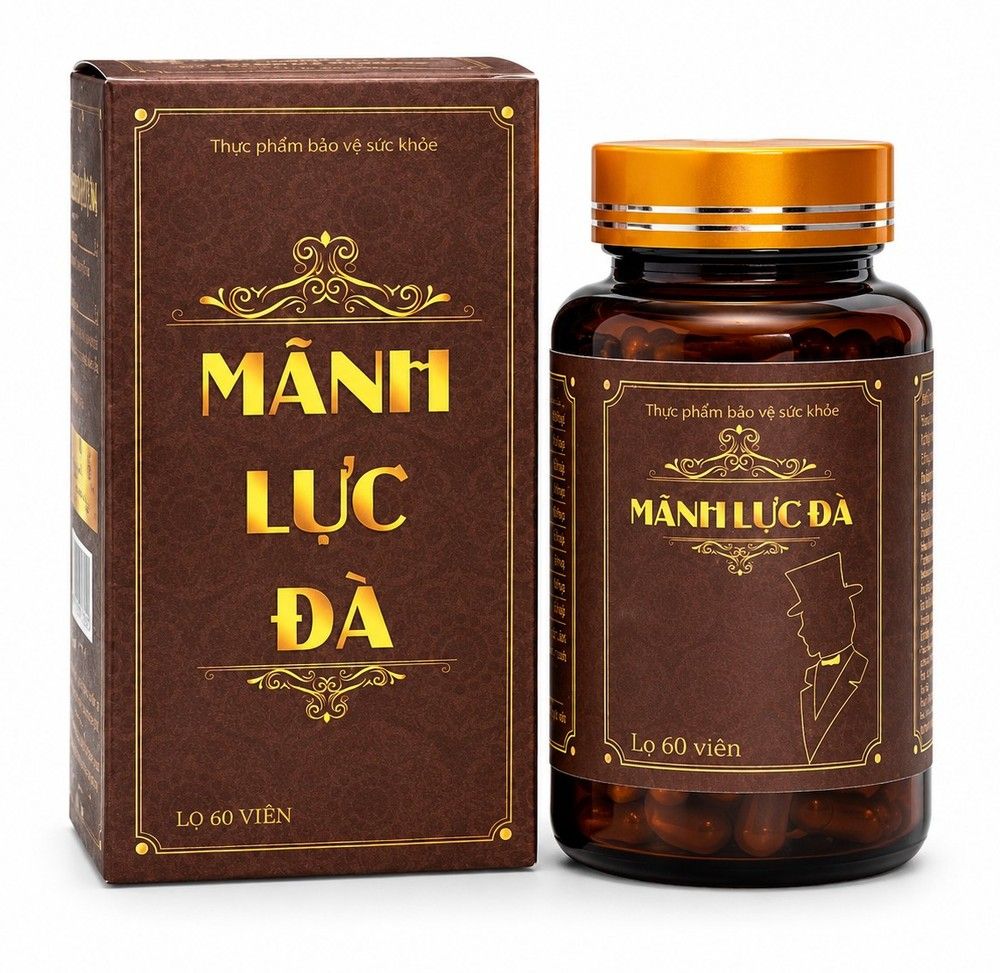
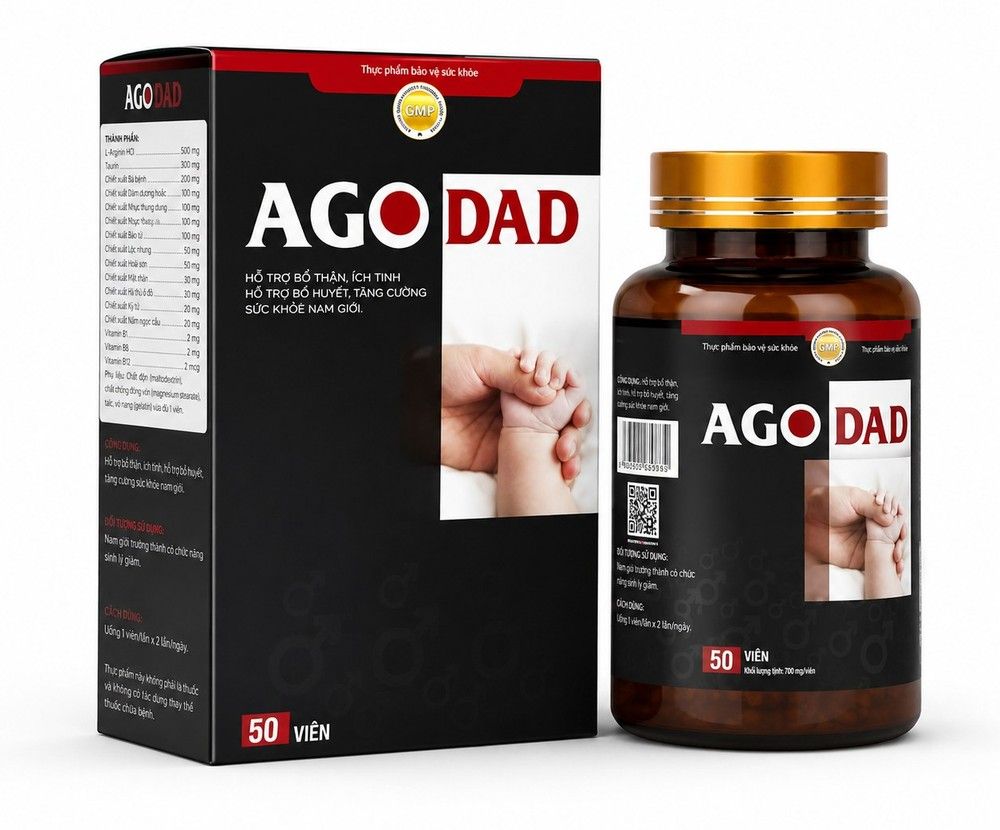
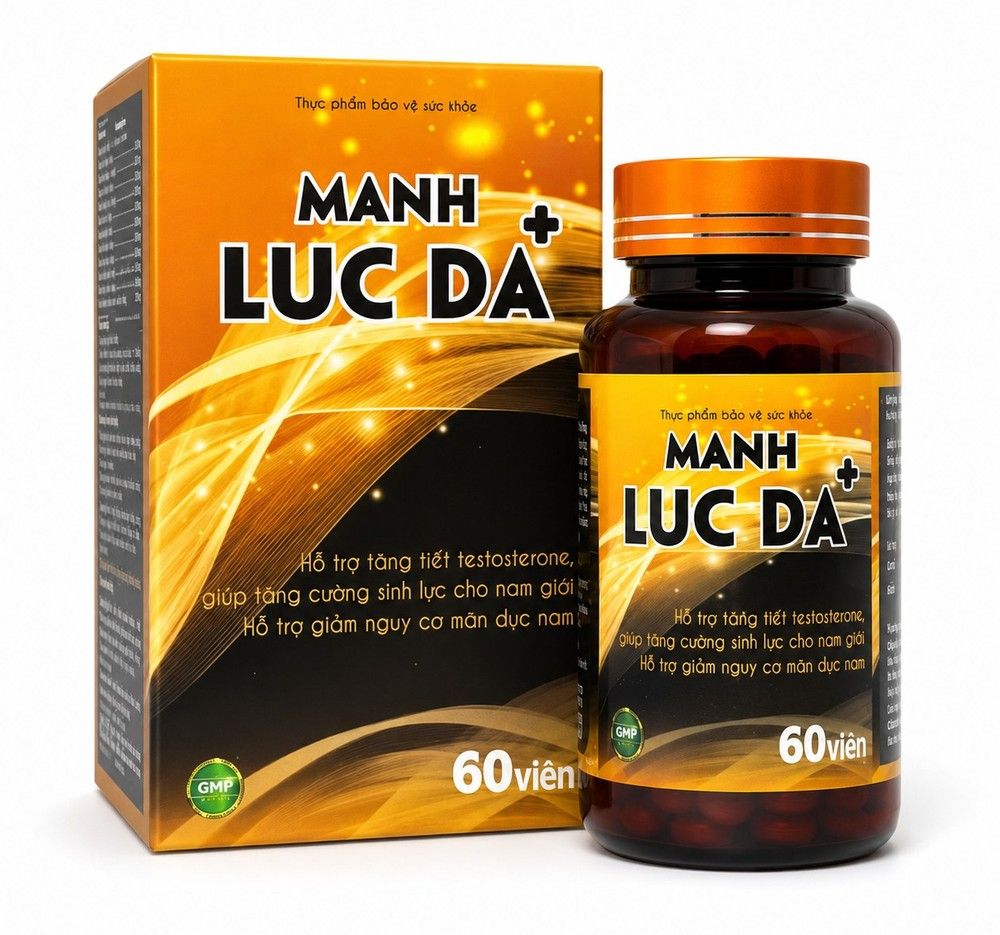
Men with lower dietary zinc intake — whether from food preferences, restrictive diets, or simply inconsistent eating habits — or those actively trying to support fertility during a specific window, often choose a targeted zinc supplement alongside dietary sources rather than relying on food alone. This is one of the key active ingredients included in Mãnh Lực Đà, formulated specifically to support sperm quality, healthy testosterone balance, and overall male reproductive health during the preconception period.
It's worth being clear here: very high doses of zinc supplementation sustained over long periods can actually interfere with the body's absorption of copper, potentially causing a different set of problems. This is exactly why following recommended dosing guidelines — rather than assuming "if some zinc helps, more must help faster" — matters for genuinely safe, effective supplementation.
Message AGO Fertility Care for personalized advice on whether zinc support makes sense for your situation, and a care routine that fits your lifestyle.
Chat With AGO on WhatsApp