Spend even a few minutes researching male fertility supplements online, and Coenzyme Q10 — usually shortened to CoQ10 — is almost guaranteed to come up. It's earned genuine attention in fertility research over the past two decades, but like most supplements, understanding what it actually does (and doesn't do) matters more than simply adding it to a routine because it's popular.
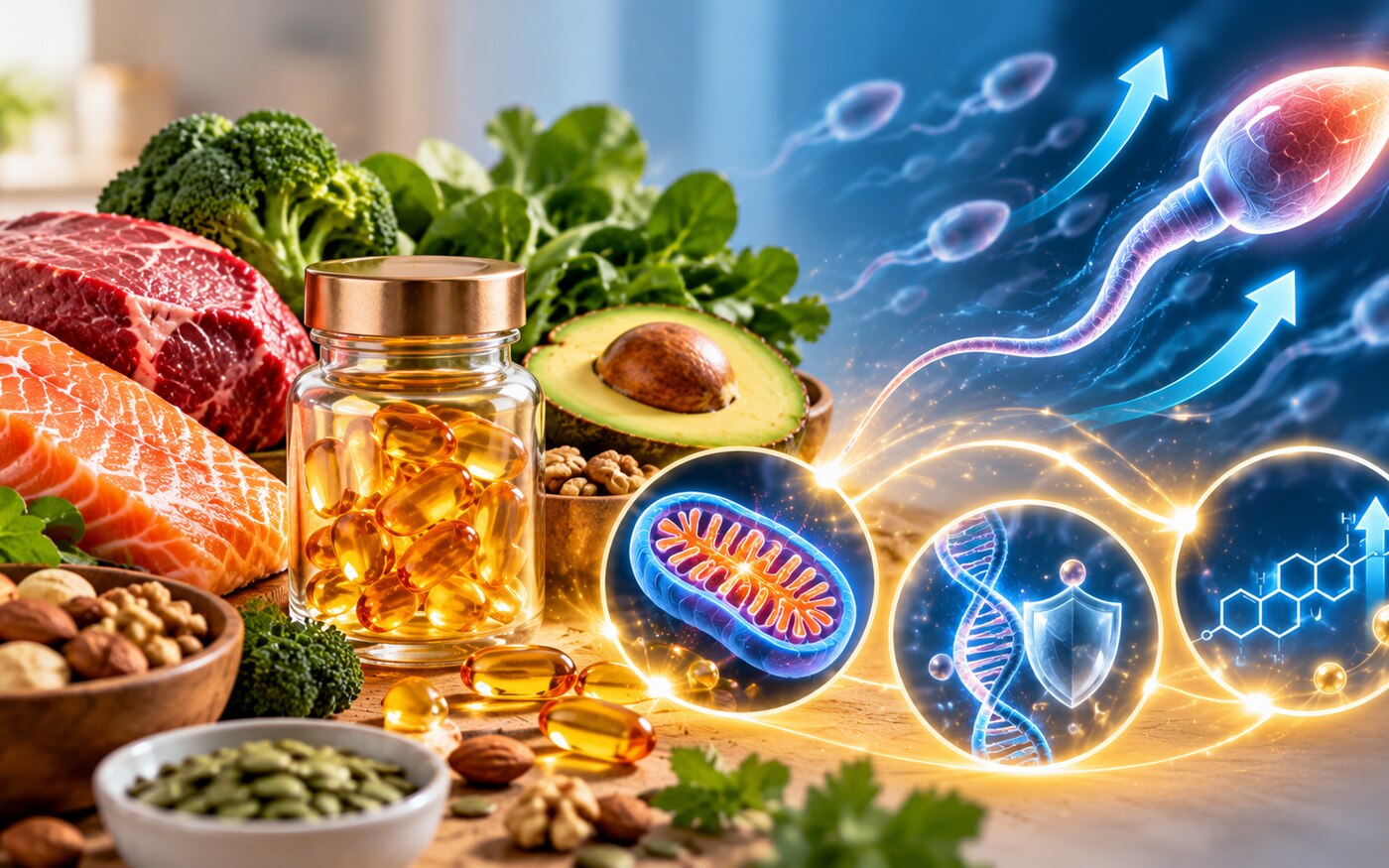
CoQ10 plays a central role in mitochondrial energy production — essentially, it's part of the machinery that converts nutrients into usable cellular energy. Sperm cells, which need substantial energy reserves to move efficiently over long distances toward an egg, depend heavily on this process. CoQ10 also functions as an antioxidant in its own right, helping protect delicate cell structures, including sperm DNA, from oxidative damage accumulated over time.
Several clinical studies have examined CoQ10 supplementation specifically in men with fertility concerns, and a number of them point toward potential improvements in sperm concentration and motility after a few months of consistent use. That said, it's important to be honest about the limits here: results vary meaningfully between studies, sample sizes are often small, and researchers agree more large-scale research is still needed before drawing firm, universal conclusions.
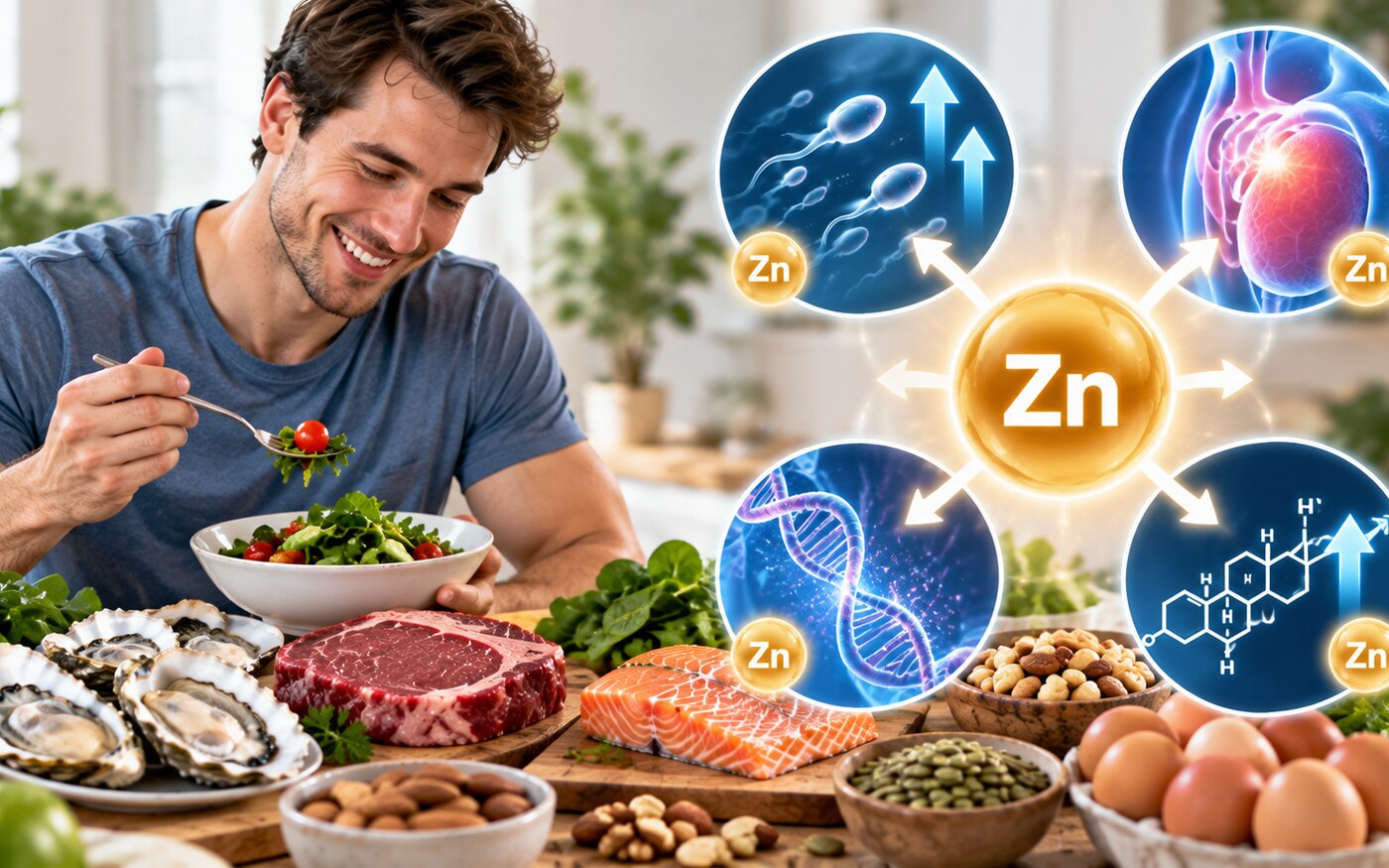
CoQ10 occurs naturally in organ meats, fatty fish, whole grains, and nuts, but the amounts realistically obtainable through diet are typically far lower than the doses studied in fertility research, which is part of why supplementation is the more practical route for most men looking to meaningfully raise their levels.
If you've looked at CoQ10 bottles, you've probably seen two names. Ubiquinone is the oxidized form, and it's the one used in most of the older research. Ubiquinol is the reduced, "active" form your body converts ubiquinone into. Ubiquinol is often marketed as easier to absorb, and it usually costs more. Both forms have been used in male fertility studies, and your body can switch between them.
For most men, the form matters less than taking it consistently. CoQ10 is fat-soluble, which means it's absorbed best with a meal that contains some healthy fat, like eggs, nuts, olive oil or fish. Taking it on an empty stomach with only water is one of the most common reasons people get less out of it.
CoQ10 tends to do its best work when the rest of your day is also on sperm's side. A simple daily checklist can help:
For a fuller look at everyday factors that affect sperm movement, see sperm quality basics.
A short conversation with your doctor can help you start with confidence. Here are a few questions worth bringing:
If you've been trying for 12 months (or 6 months if your partner is 35 or older), it's a good time for both of you to get checked. Male factors play a part in a large share of couples' fertility challenges, and testing early can save time and worry.
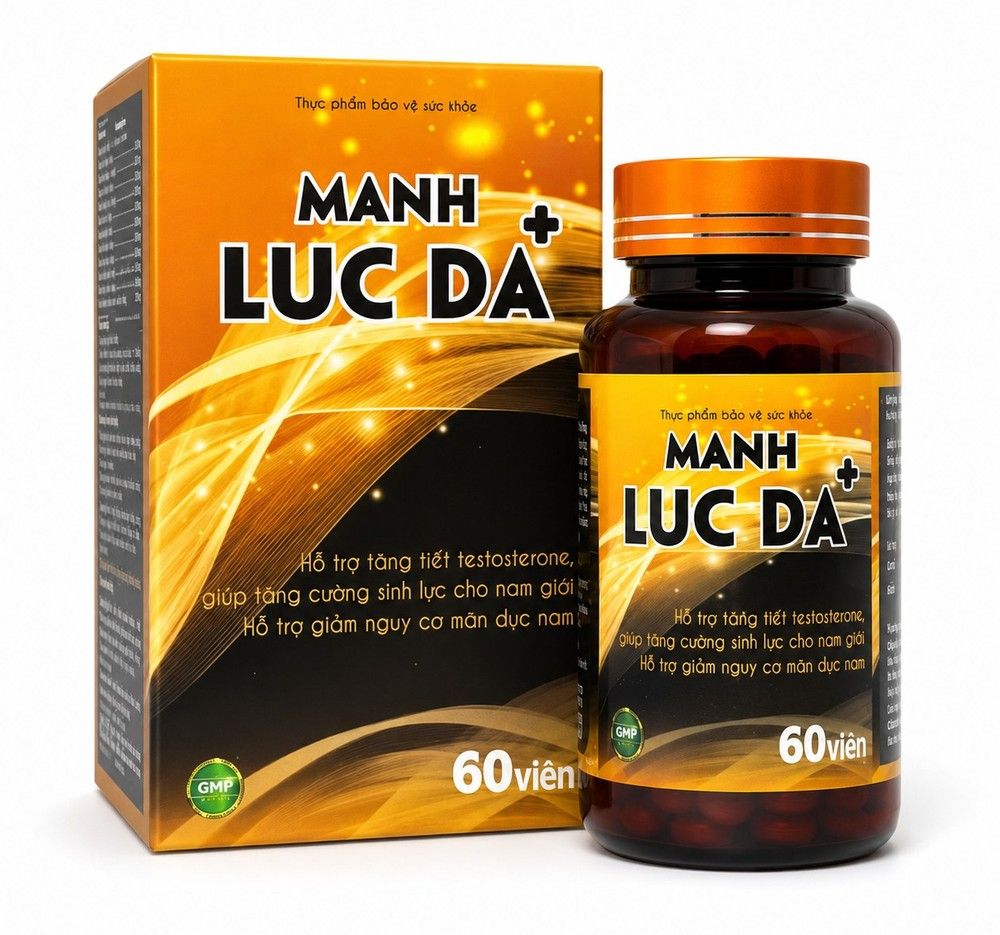
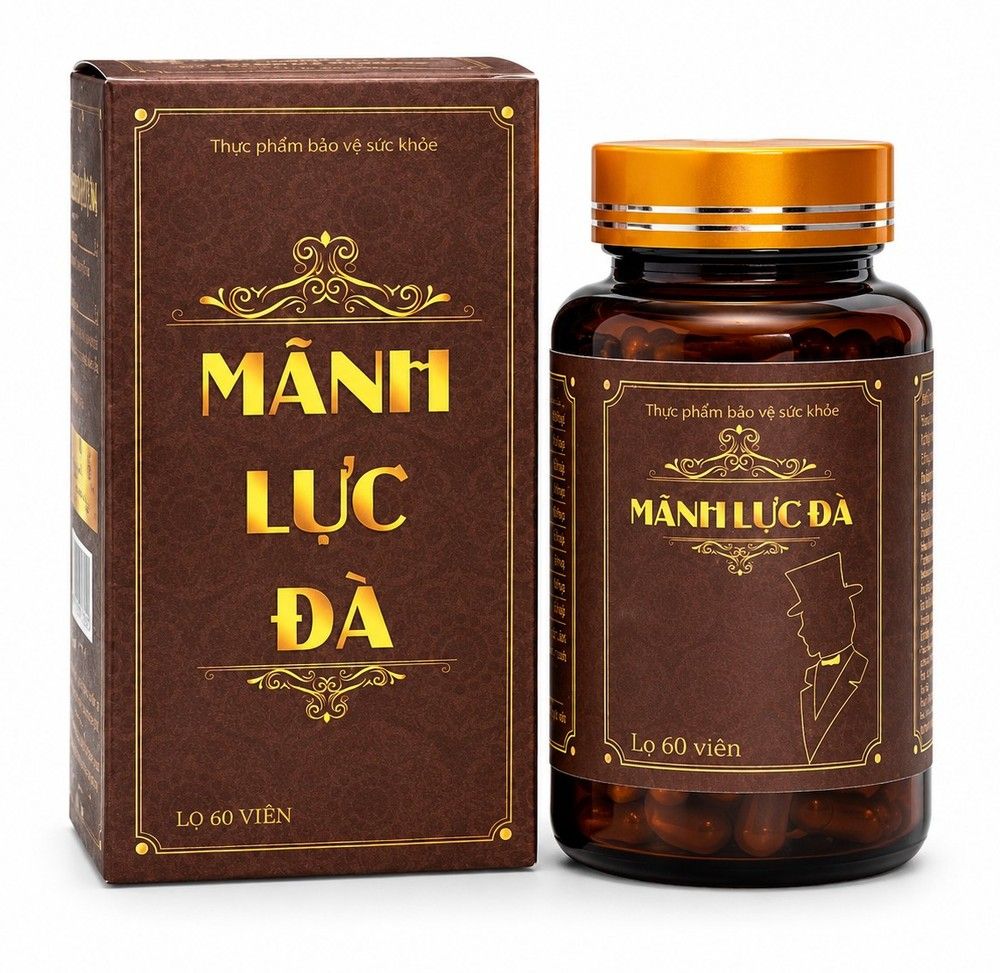
Because the body's natural CoQ10 production gradually declines with age, some men — particularly those over 35, or those who already have known fertility concerns on a semen analysis — consider adding it deliberately as part of a broader supplement routine. This is exactly why CoQ10 is included among the active ingredients in Mãnh Lực Đà+, formulated to support sperm health, cellular energy, and overall reproductive vitality during this stage.
CoQ10 isn't a guaranteed fix on its own, and no honest source should present it that way. It tends to work best as one component within a broader, consistent approach that also includes good overall nutrition, healthy daily habits, and other targeted nutrients working together.
Curious whether CoQ10, or a different supplement routine, fits your specific needs? Message AGO Fertility Care for personalized advice and a care plan made for you.
Chat With AGO on WhatsApp