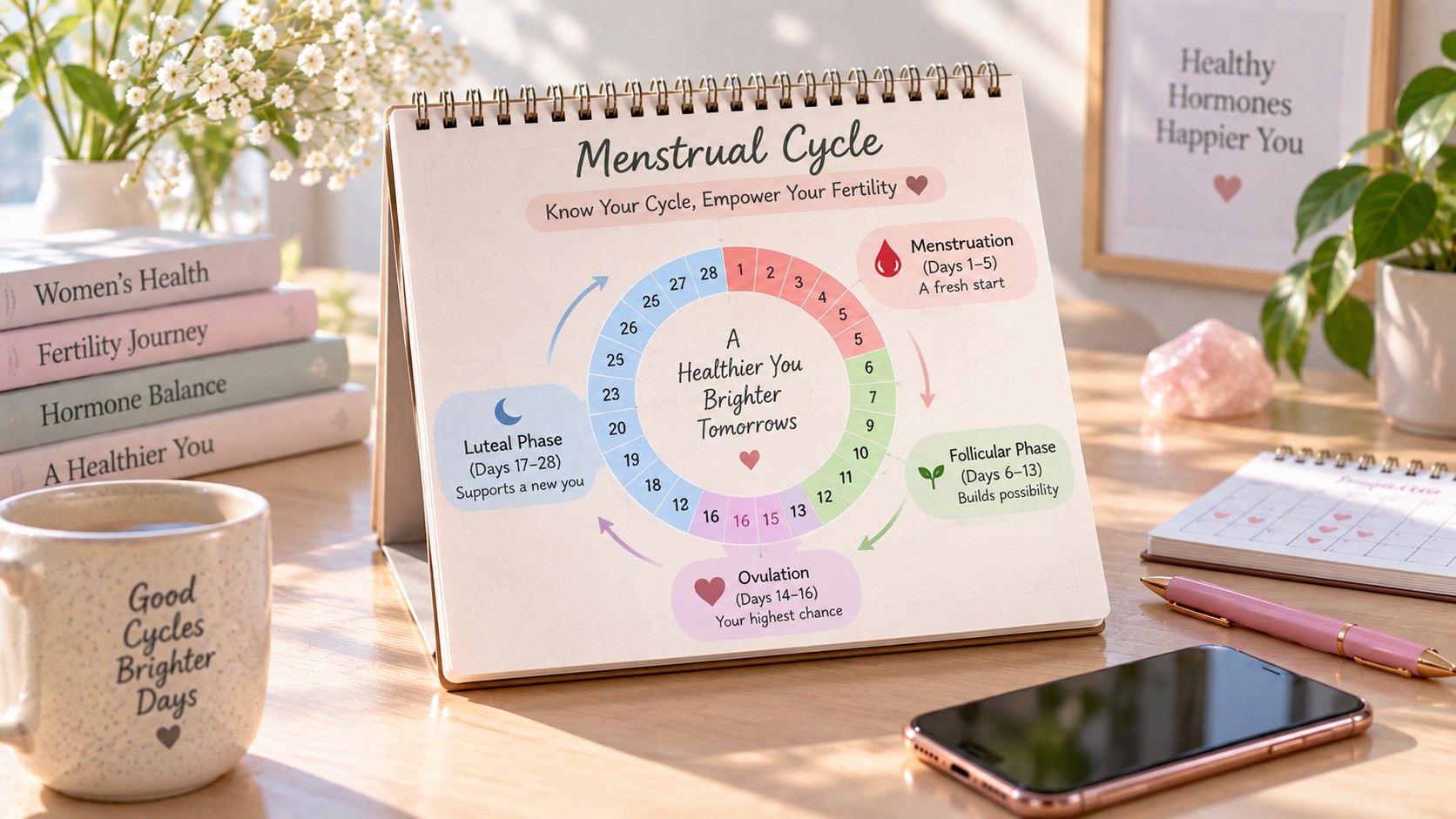
"How long is this supposed to take?" It's a question that starts out almost casual — asked with a shrug in month two or three — and slowly, cycle by cycle, becomes heavier to carry. By month six or eight without a positive test, many couples start Googling at 2am, comparing their timeline to friends who "got pregnant on the first try," and quietly wondering if something is wrong with them. The honest, reassuring answer is: conception timelines vary far more than most people realize, and taking longer than you expected doesn't automatically mean there's a problem.
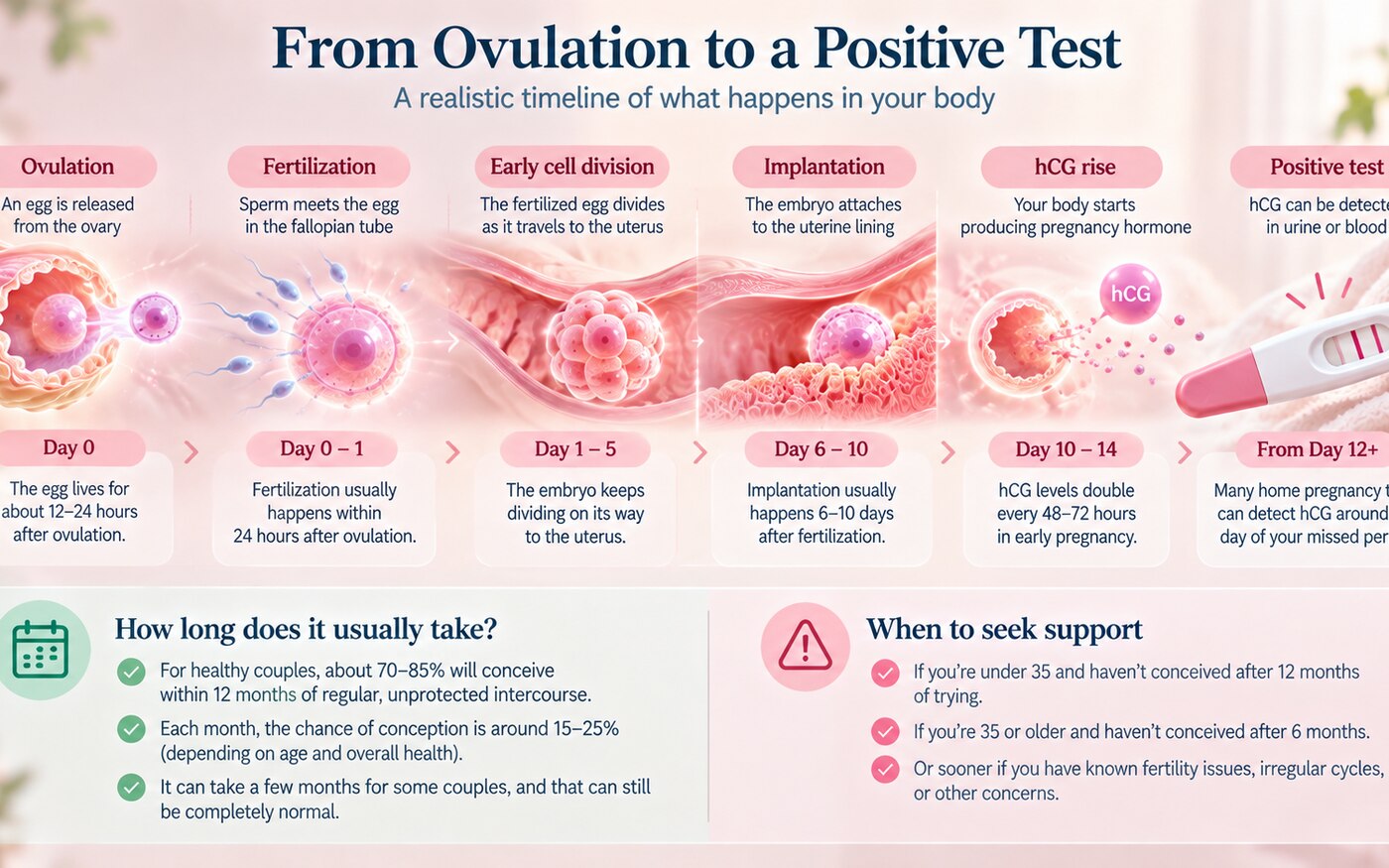
For couples under 35 with no known fertility concerns, research consistently shows that roughly 80-85% conceive within one year of trying regularly (meaning intercourse a few times around the fertile window each cycle). Importantly, most of that group — the majority — conceives within the first six months. That leaves a meaningful portion of couples for whom month seven, eight, nine, or even eleven is still well within the range of "completely normal," even though it may not feel that way emotionally.
Most fertility guidelines suggest speaking with a doctor after 12 months of regularly trying if you're under 35, or after 6 months if you're 35 or older. It's worth seeking guidance sooner — regardless of how long you've been trying — if you have irregular or absent periods, a known condition like PCOS or endometriosis, a history of pelvic surgery, or if your partner has any known reproductive health concerns.
Beyond the biology, it's worth naming what this timeline does emotionally: the monthly cycle of hope and disappointment, the awkwardness of scheduling intimacy around ovulation apps, the strain of well-meaning but painful questions from family. None of this makes you impatient or ungrateful — it makes you human, and going through something genuinely difficult.
It helps to think about conception one cycle at a time. According to ACOG, a healthy woman around age 30 has roughly a 20% chance of getting pregnant in any single cycle. That means even when everything is working well, most months will not result in a pregnancy. By age 40, the chance each month is less than 10%. This is mostly because egg number and egg quality gradually decline with age.
Those numbers can feel discouraging, but they also explain something important. Several months without a positive test is often just the math of a monthly chance, not a sign that something is wrong. Learning more about
egg quality can help you understand what you can and cannot influence.Many couples put off a visit because they are not sure what to expect. A first appointment is often simpler than people fear. A provider may:
Testing does not commit you to any treatment. It simply gives you information so you can make the next decision with more clarity.
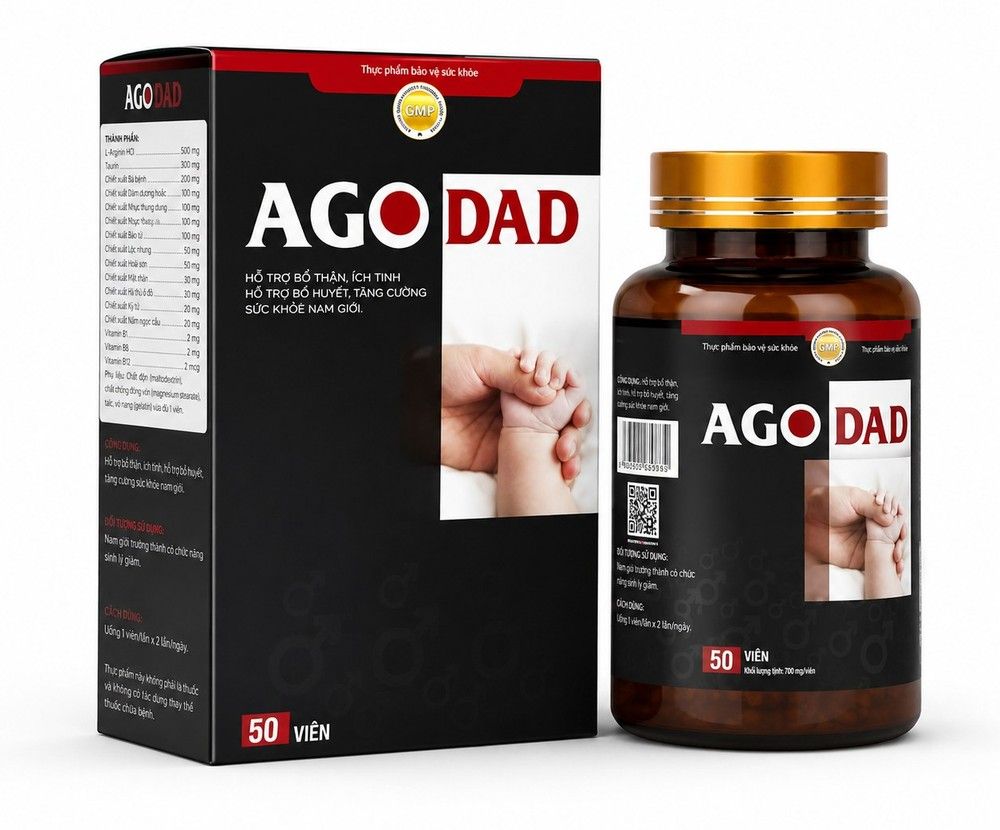
This waiting period is often when couples start paying much closer attention to the fundamentals: tracking ovulation more precisely, supporting hormone balance, improving nutrition for both partners, and finding ways to manage the stress that naturally builds up. Many women use this stage to strengthen their reproductive health foundation with products like AGO Mom, formulated to support hormonal balance and a regular, predictable cycle — giving your body a stronger baseline to work from, cycle after cycle, while you continue trying.
Whether it's been two months or two years, you don't have to navigate it alone. Message AGO Fertility Care for personalized advice and a care plan that fits the stage you're in.
Chat With AGO on WhatsApp