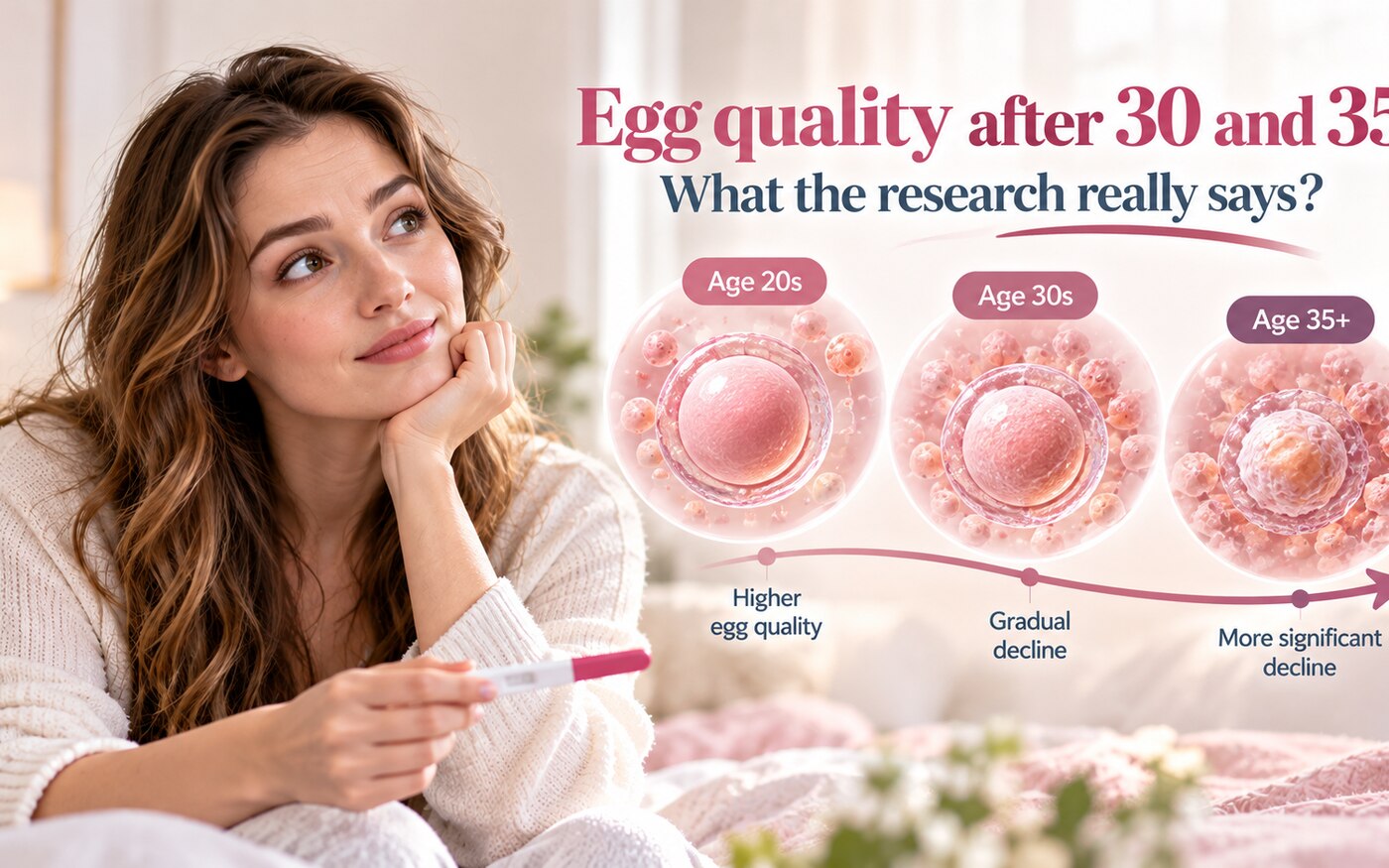
"Am I too old to have a healthy pregnancy?" It's a question many women ask themselves quietly, almost guiltily, somewhere around their 30th or 35th birthday — often triggered by a passing comment from a doctor, a worried relative, or simply a birthday candle that feels heavier than the last. Age genuinely does affect both the number and quality of a woman's eggs. But the full picture, once you look at the actual research rather than the headlines, is more nuanced — and considerably more hopeful — than the cultural narrative around "the fertility cliff" suggests.
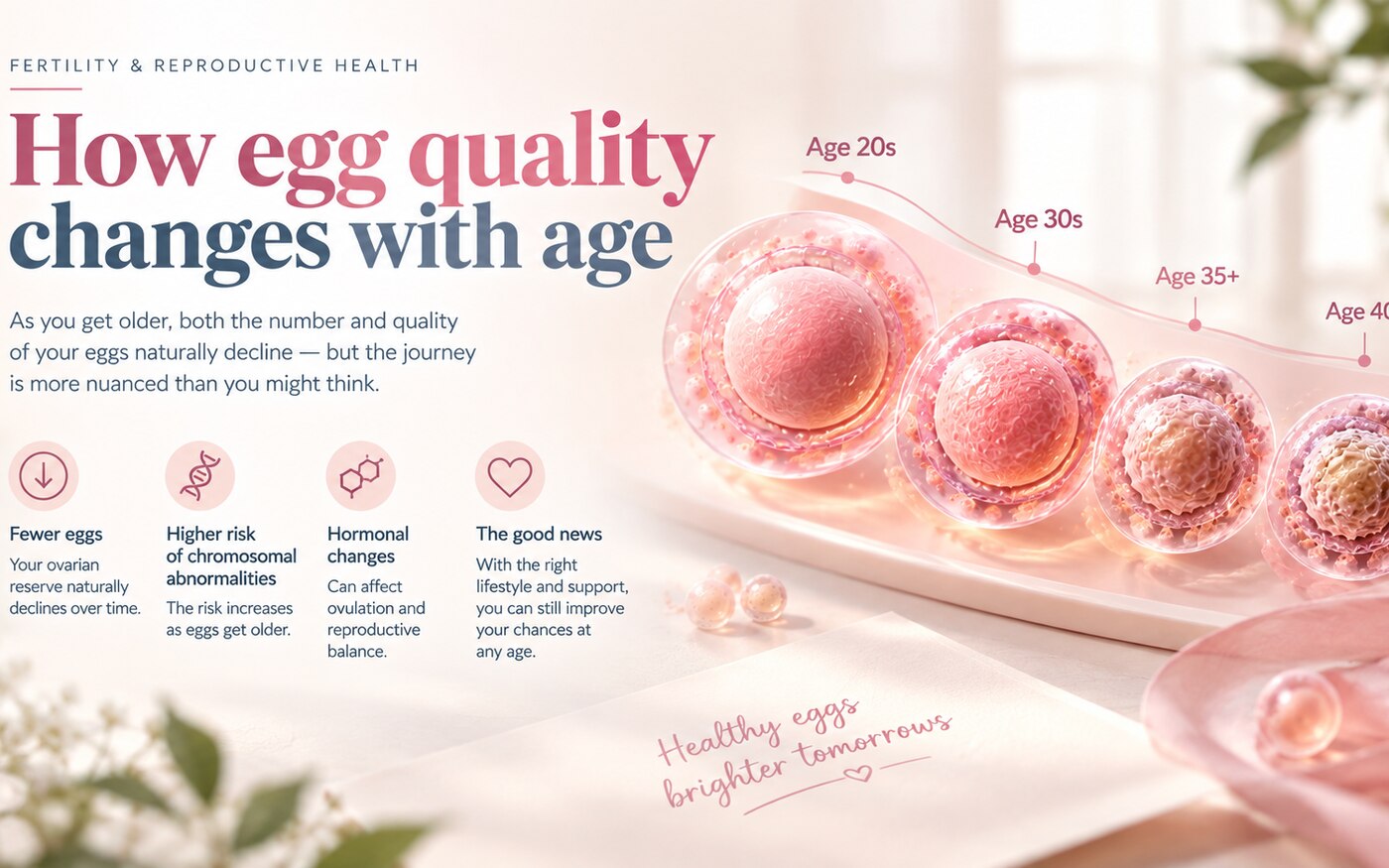
Every woman is born with all the eggs she will ever have — roughly one to two million at birth, already declining before she's even born. By puberty, that number has dropped to several hundred thousand, and it continues declining steadily throughout her reproductive years. What changes with age isn't just quantity, though: the eggs that remain are also more prone to chromosomal abnormalities, largely because the delicate cell division process (meiosis) becomes more error-prone with each passing year an egg has been "waiting" in the ovary. This is a biological reality tied to time, not a reflection of how healthy, fit, or capable a woman is.
Despite the often-cited statistics about fertility declining sharply after 35, a substantial number of women in their late 30s and even early 40s conceive naturally — sometimes needing a bit more time, more precise cycle tracking, or a stronger nutritional foundation, but conceiving all the same. Egg quality is genuinely one factor among several that determine fertility at any age: uterine receptivity, hormonal balance, sperm health, and overall wellness all interact with it, meaning a woman with somewhat lower egg quality but excellent supporting factors elsewhere may still have a favorable outlook.
It's important to be honest here: no supplement or lifestyle change can reverse a woman's biological age or restore eggs that have already been affected by time. What supportive nutrition and habits can do is help protect the health of the eggs a woman does have right now, giving her body the best possible foundation to work with at whatever age she's at.
This surprises many women: there is no simple blood test that measures egg quality directly. The tests you may hear about mostly measure egg quantity, also called ovarian reserve. These include:
These numbers are helpful, but they don't tell you whether a given egg is healthy. In practice, age is still the most reliable general guide to egg quality. A low egg count also doesn't automatically mean poor quality, and a normal count doesn't promise high quality.
An egg doesn't mature overnight. In the months before ovulation, a group of follicles slowly develops, and one of them eventually releases its egg. This final growth stage takes roughly three months. That's why many fertility experts suggest giving healthy changes at least that long before judging how you feel.
Age changes how long it makes sense to wait before asking for help. ACOG generally suggests seeing a doctor after 12 months of trying if you're under 35, after 6 months if you're 35 or older, and sooner if you're over 40. You don't need to wait if you have very irregular periods, a history of endometriosis or pelvic surgery, or past pregnancy losses. Asking early isn't overreacting. It simply gives you more information and more options. Our article on how long it usually takes to get pregnant can help you set realistic expectations.
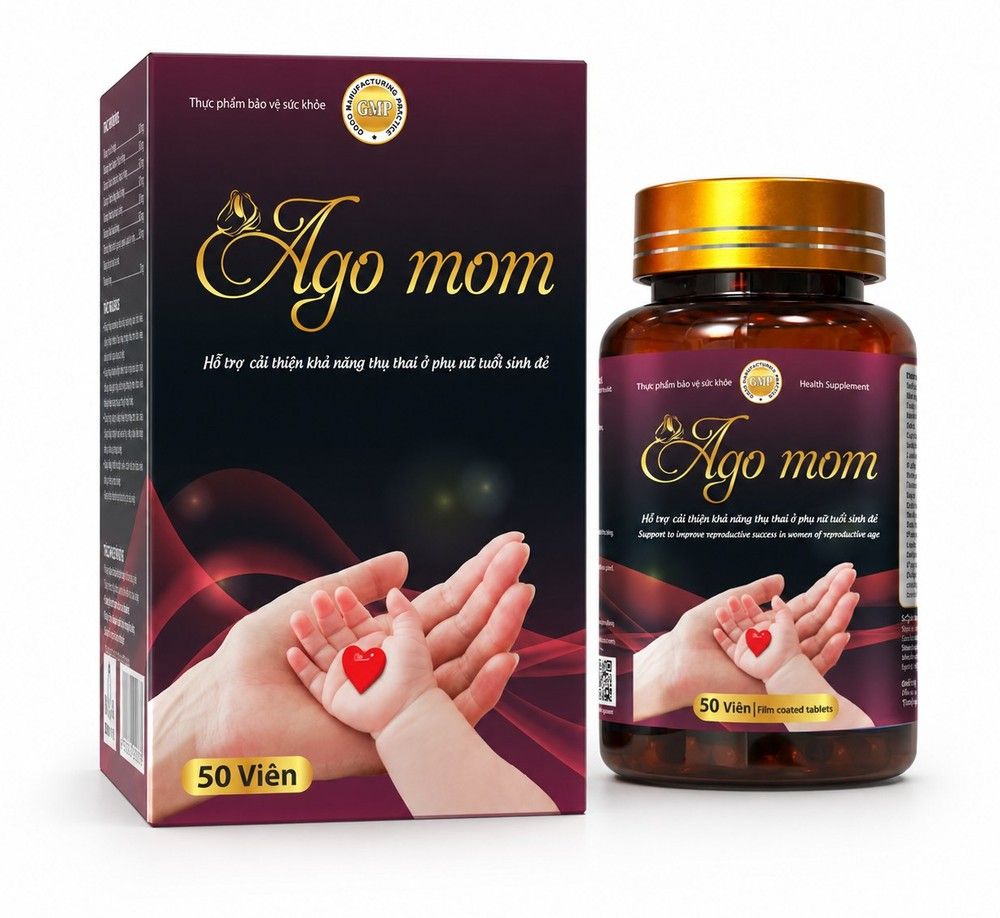
Many women choose to support their reproductive health foundation with targeted nutrition during this stage of life — one reason products like AGO Mom are formulated with ingredients aimed at supporting hormonal balance and reproductive wellness as part of a woman's preparation for pregnancy, whatever her age.
Wherever you are in your journey, 25 or 40, message AGO Fertility Care for personalized advice and a care plan suited to your age and situation.
Chat With AGO on WhatsApp