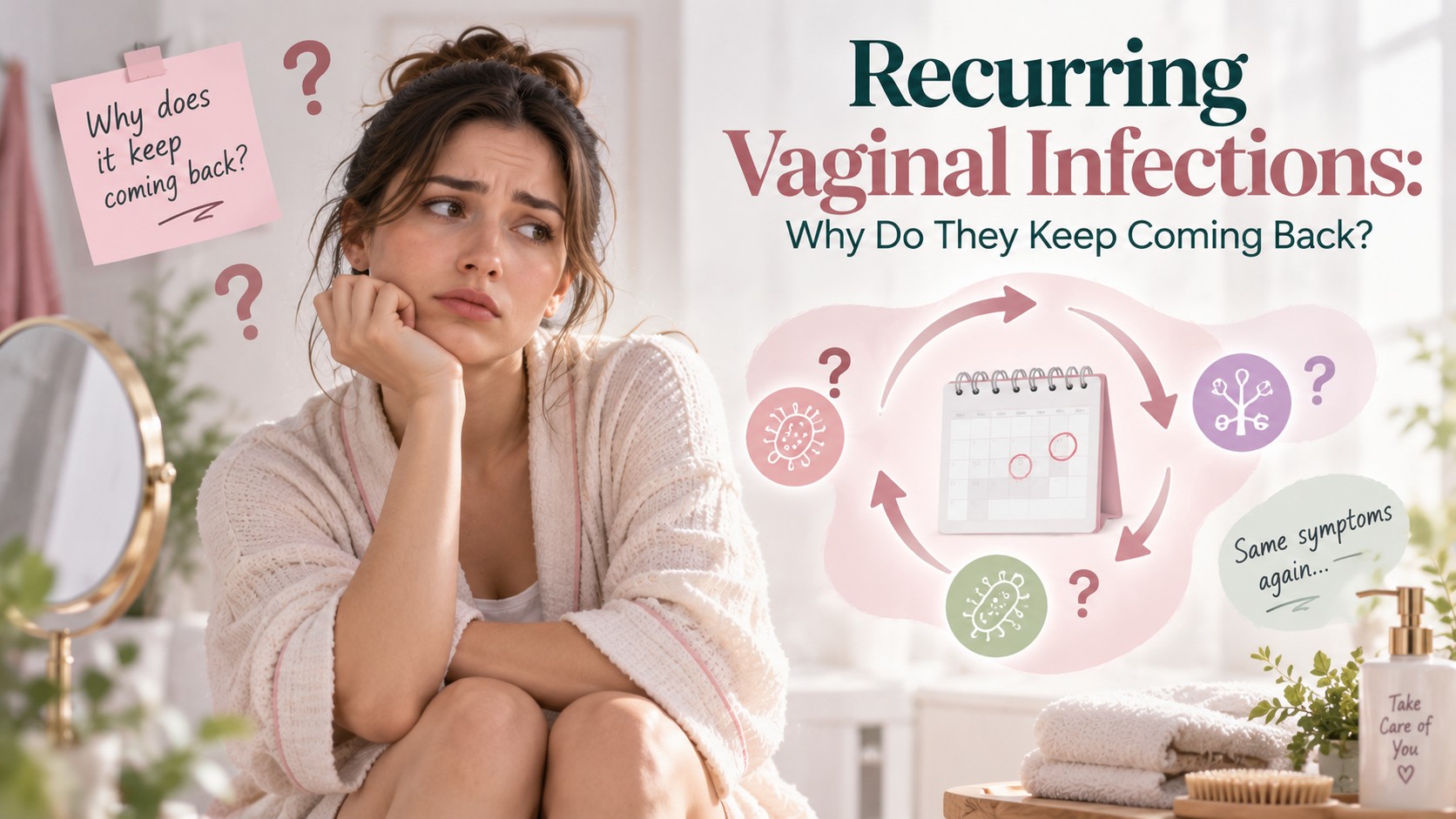
If you feel like you just finished treating one vaginal infection only for another to show up weeks later, you're dealing with a genuinely frustrating and common pattern. Recurring infections have real, identifiable causes — and understanding them is the first step toward breaking the cycle.
What counts as "recurring"?
Healthcare professionals often use the term recurring when a woman experiences four or more infections of the same type within a year. If this matches your experience, it's worth a more thorough conversation with a clinician rather than repeating the same treatment each time.
Common reasons infections keep returning
Incomplete or inconsistent treatment
Stopping treatment early once symptoms improve, even if the full course hasn't been completed, can allow the infection to return.
An underlying imbalance
The vagina naturally hosts a balance of bacteria that helps protect against infection. When that balance is disrupted — by antibiotics, hormonal changes, or other factors — infections can recur more easily.
Reinfection from a partner
For some types of infections, a sexual partner may need treatment as well to prevent a cycle of reinfection. This is worth discussing directly with a healthcare provider.
Underlying health conditions
Conditions like uncontrolled diabetes can make yeast infections more likely to recur, since elevated blood sugar can promote yeast growth.
Hygiene habits that disrupt natural balance
Douching, scented products, and overly aggressive washing can all disrupt the vagina's natural protective balance, making infections more likely rather than less.
Spotting your personal triggers
Many women find that their infections follow a pattern. Keeping a simple diary for a few months can help you and your provider see it. Note the date symptoms start, where you are in your cycle, and anything that changed in the days before. Common triggers include:
- Your period: Menstrual blood is less acidic than the vagina's usual environment, so some women notice BV-type odor during or right after their period.
- Sex: Semen is also less acidic, and a new partner or more than one partner can raise the chance of BV. Using condoms helps some women.
- Antibiotics: They can lower the protective bacteria and let yeast grow. Tell your provider if yeast infections tend to follow a course of antibiotics.
- Hormone shifts: Pregnancy and some hormonal birth control can make yeast more likely for some women.
- Heat and moisture: Long hours in damp workout clothes, swimwear, or tight synthetic fabrics.
Getting an accurate diagnosis matters
Yeast infections and bacterial vaginosis have overlapping symptoms but require different treatments. Self-treating based on a guess can delay proper care and contribute to a recurring pattern. A simple in-office test can usually clarify which condition is involved.
If you're still not sure which one you're dealing with, our guide to yeast infection vs BV compares the typical signs side by side.
What a provider may check when infections keep returning
When infections come back again and again, a provider will often look a little deeper than a standard visit. This may include:
- A lab culture: For repeat yeast infections, a culture can show which type of yeast is present. Some less common types don't respond as well to the usual treatments.
- Testing for other infections: STIs such as trichomoniasis can look like yeast or BV, so testing helps rule them out.
- A blood sugar check: Especially if yeast infections are frequent, since high blood sugar can feed yeast growth.
- A longer care plan: For truly recurring infections, a doctor may discuss a longer course or a maintenance plan, rather than a single short treatment each time.
Myths and facts about recurring infections
- Myth: It keeps coming back because I'm not clean enough. Fact: The opposite is often true. Douching and heavy washing can upset the natural balance. Recurring infections are a health issue, not a hygiene failure.
- Myth: The same over-the-counter treatment will work every time. Fact: If you're treating BV as yeast, or the yeast type is unusual, the same product may not help. Repeated self-treatment is a good sign it's time for testing.
- Myth: BV is a sexually transmitted infection. Fact: BV is an imbalance of bacteria, not a classic STI, although sexual activity can raise the risk.
- Myth: If symptoms are gone, the infection is gone. Fact: Symptoms often ease before treatment is complete. Finishing the full course matters.
Supportive habits that may help
- Completing the full course of any prescribed treatment, even after symptoms improve.
- Wearing breathable cotton underwear and avoiding tight, non-breathable fabrics for long periods.
- Skipping scented soaps, sprays, and douches.
- Managing blood sugar levels if relevant to your health history.
- Discussing recurring patterns openly with a healthcare provider, including any relevant partner considerations.
Recurring infections and trying to conceive
If you're hoping to get pregnant, it's worth getting repeat infections checked and cared for now. Ongoing itching or odor can make intimacy feel stressful during your fertile window. BV during pregnancy has also been linked to a higher chance of some pregnancy complications, so providers take it seriously in women who are pregnant or planning to be.
If you think you might be pregnant, tell your provider before starting any treatment, since some medicines are avoided in pregnancy. For a broader look at caring for your body before conception, see our guide to female reproductive support.
Questions to ask your provider
- Which infection do I have this time, and has it been confirmed with a test?
- Could a culture or other test help explain why it keeps coming back?
- Does my partner need to be checked or treated?
- Could my birth control, blood sugar, or other medicines play a role?
- Is a longer or maintenance treatment plan an option for me?
- I'm trying to conceive. Is there anything I should change in my care?
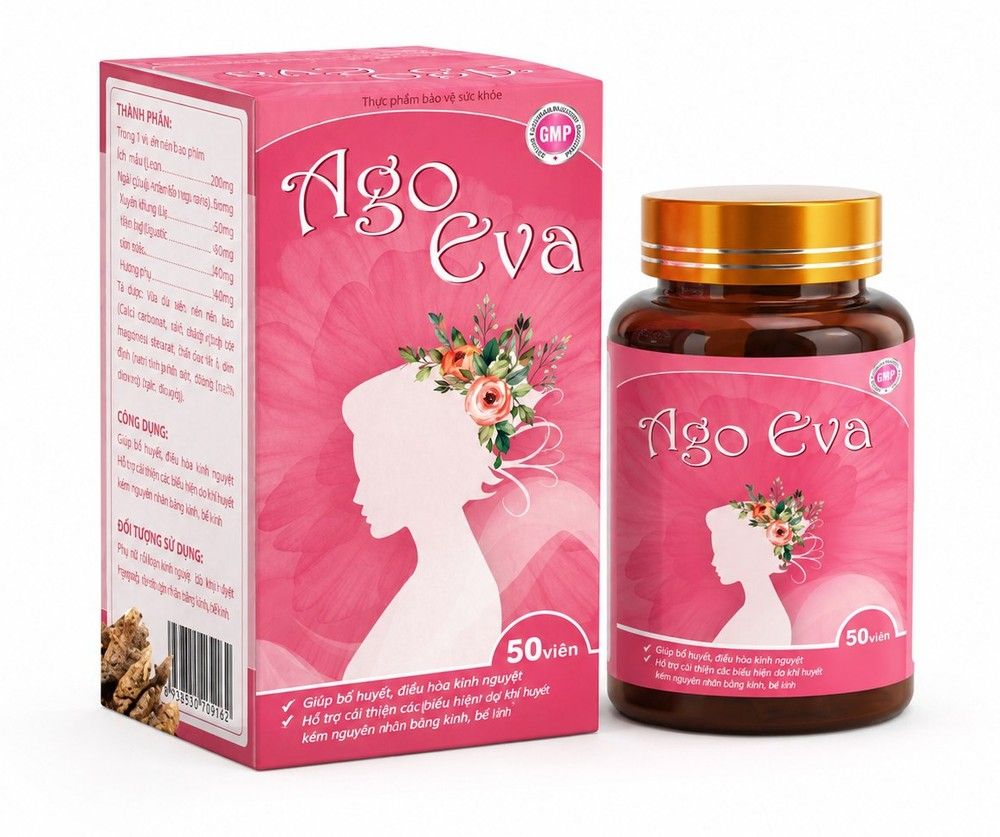
AGO Eva is formulated to help support general gynecologic wellness and balance as part of an everyday care routine, alongside proper medical treatment for active infections.
Dealing with infections that keep coming back?
Message AGO Fertility Care and share how often this happens and what treatments you've tried. We'll help you think through supportive next steps.
Chat With AGO on WhatsApp