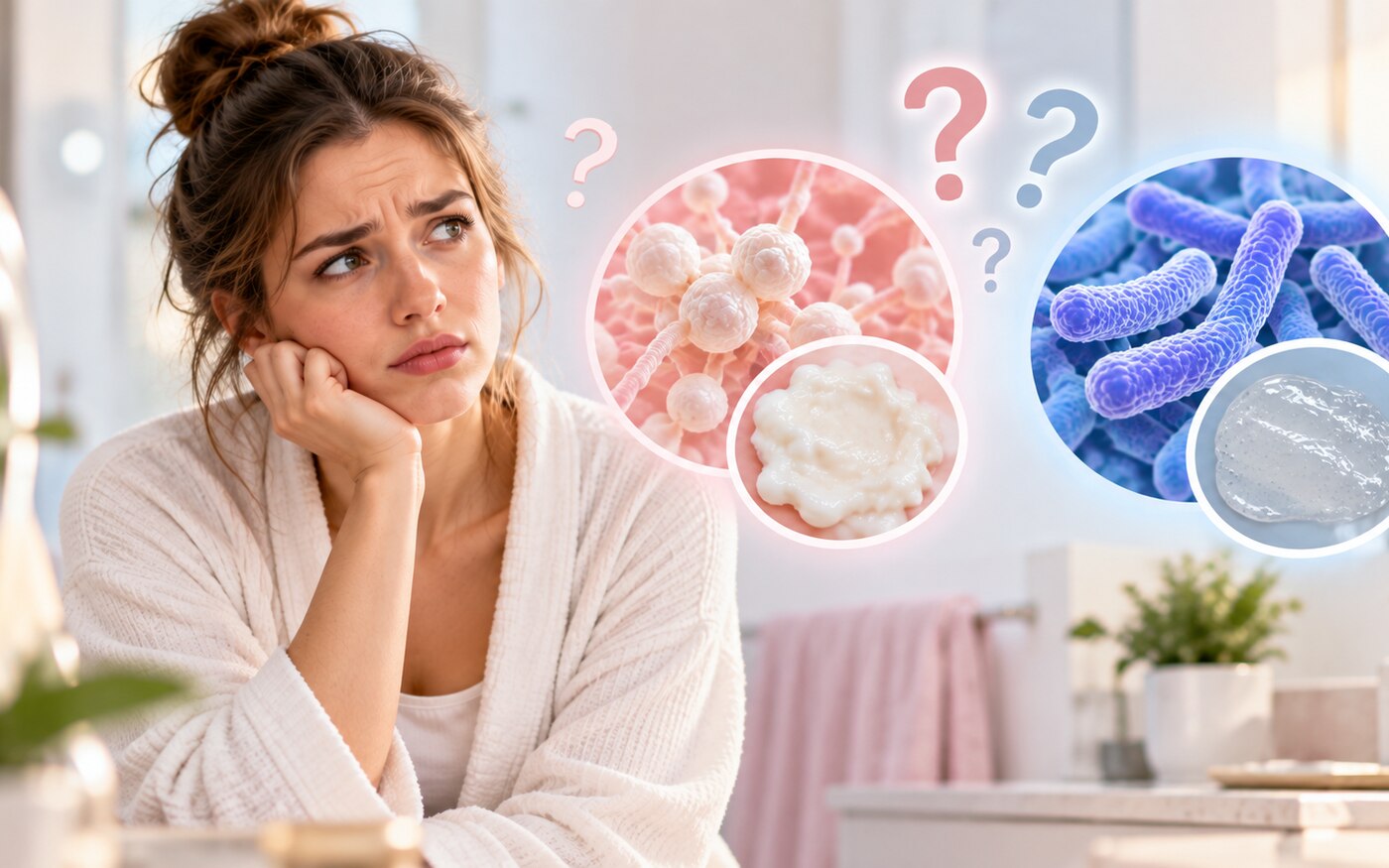
Noticing unusual discharge, an unfamiliar smell, or persistent itching down there can trigger a wave of questions all at once: Is this normal? Did I do something wrong? Should I be embarrassed to bring this up, even to my own partner? Take a breath — vaginal discomfort is one of the most common reproductive health experiences a woman will have in her lifetime, and needing to understand it isn't a sign that something is fundamentally wrong with you. Two of the most frequent causes behind these symptoms are yeast infections and bacterial vaginosis (BV). They can feel similar in the moment of discomfort, but they come from different imbalances in the body, and knowing which one you're dealing with changes what actually helps.
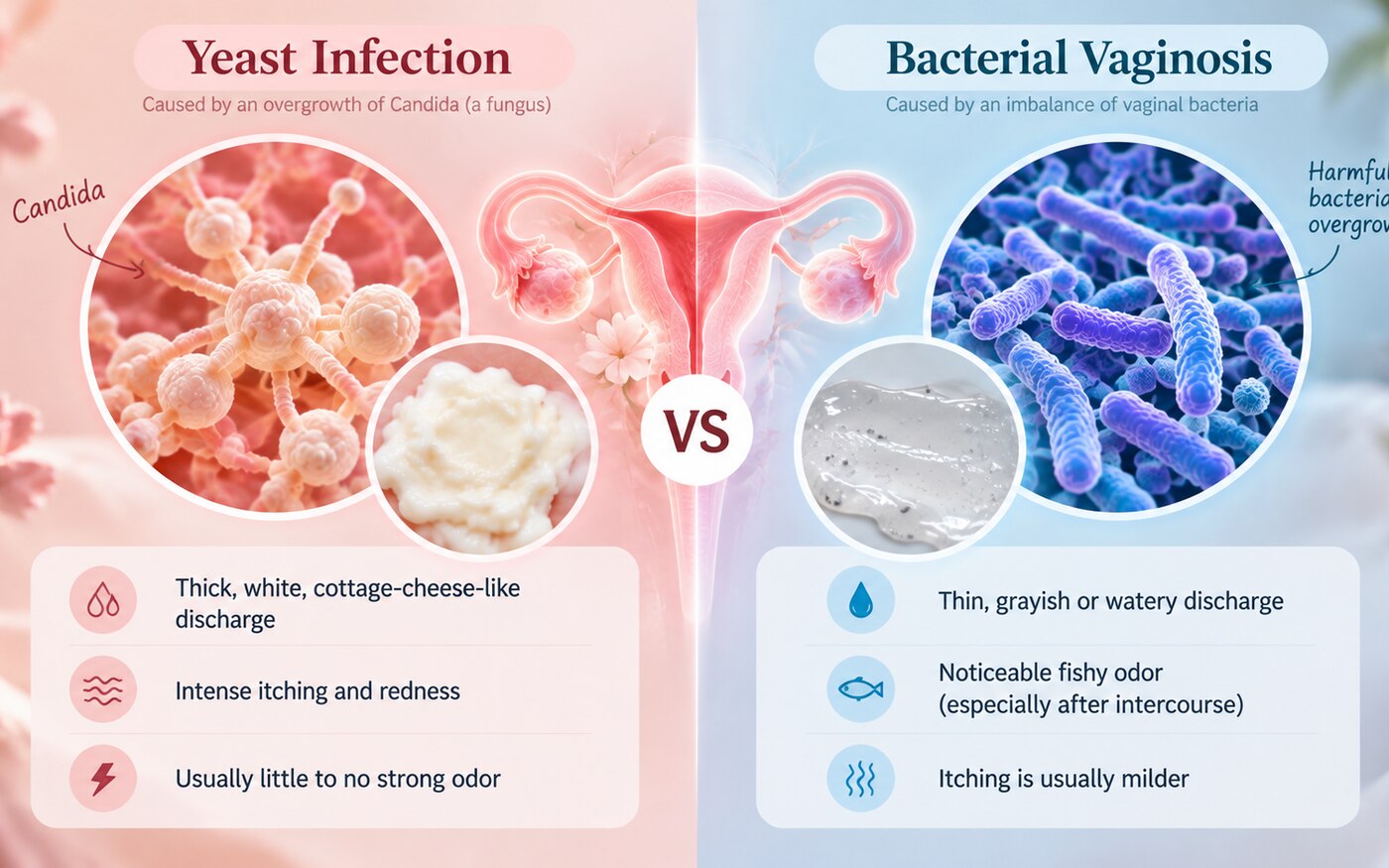
A yeast infection develops when Candida, a fungus that lives in small, harmless amounts in a healthy vagina, suddenly multiplies out of control. This overgrowth is often triggered by antibiotics (which wipe out the protective bacteria that normally keep yeast in check), hormonal shifts around your period or pregnancy, high blood sugar, or even tight, non-breathable clothing that traps moisture. The result is usually thick, white, clumpy discharge, along with intense itching, redness, and sometimes a burning sensation during urination or intercourse.
Bacterial vaginosis works differently. It happens when the vagina's natural bacterial ecosystem — normally dominated by protective Lactobacillus bacteria — shifts to allow other types of bacteria to overgrow. Rather than a fungal issue, this is a bacterial imbalance, and it tends to produce thinner, grayish-white discharge with a distinct fishy odor that often becomes more noticeable after sex, since semen changes the vaginal pH temporarily.
It's easy to think of these as "just an annoyance," but your vaginal environment is directly connected to your reproductive health. A balanced vaginal pH and healthy bacterial flora help create the kind of environment sperm need to survive and travel through the cervix. Recurring infections, left unaddressed, can sometimes irritate the cervix and vaginal tissue over time, which is one more reason many women trying to conceive choose to pay closer attention to gynecological health as part of their overall preparation — not out of fear, but as one more piece of a well-rounded care routine.
Because yeast infections and BV need fundamentally different treatments — antifungal for one, antibacterial for the other — guessing and self-treating based on internet searches can sometimes make things worse or simply waste time while the real issue continues. If your symptoms are new, unusual, or don't resolve with an over-the-counter product within a few days, it's worth getting a proper diagnosis rather than continuing to guess.
The good news is that telling yeast from BV is usually quick and simple in a clinic. After asking about your symptoms, a provider may take a gentle swab of discharge and check a few things:
There are also home vaginal pH kits. They can give a hint, but they can't confirm the cause, so they don't replace an exam.
If infections keep coming back, our guide to recurring yeast infections and BV covers common triggers and what to ask your provider.
Not sure what your discharge is telling you? Our guide to discharge colors and textures can help.
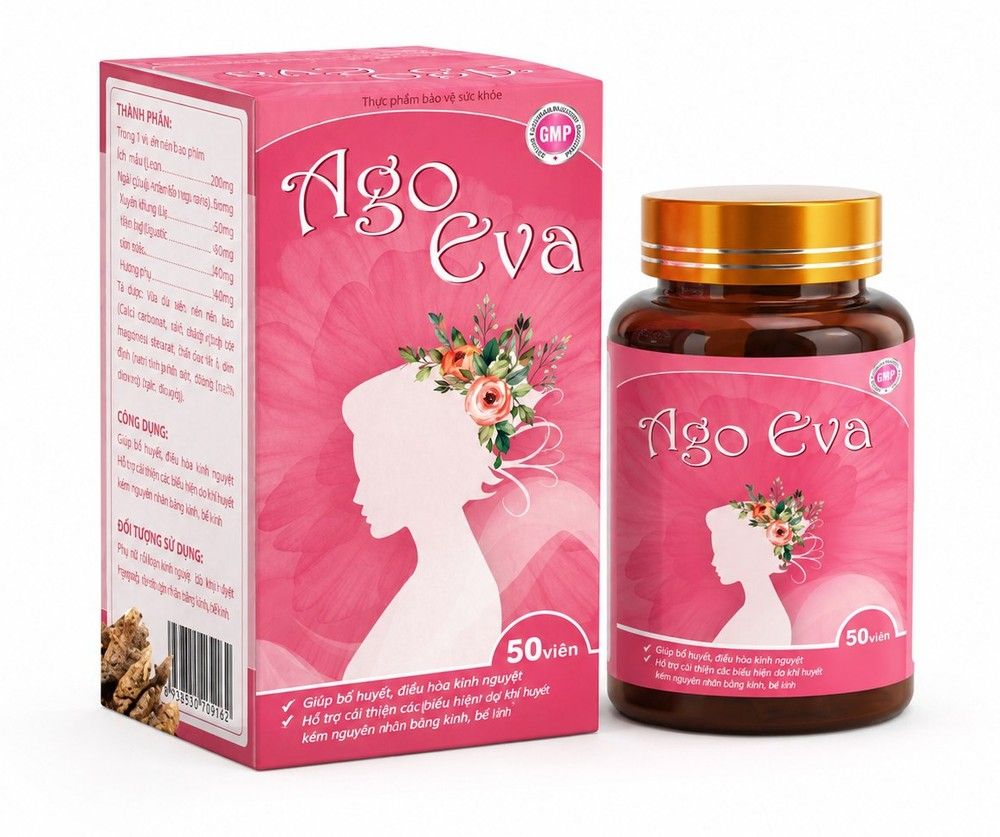
Alongside proper diagnosis and treatment when needed, many women choose to support their vaginal and gynecological health on an ongoing basis — not just when something feels wrong. This is exactly the thinking behind AGO Eva: formulated to help support a healthy vaginal environment, natural balance, and everyday gynecological comfort, so your body has a stronger foundation to maintain that balance on its own between flare-ups.
Tired of irritation that keeps coming back, or unsure whether it's yeast or BV? Message AGO Fertility Care and tell us about your symptoms. We'll help you understand possible next steps and a gentle care routine that fits your situation.
Chat With AGO on WhatsApp