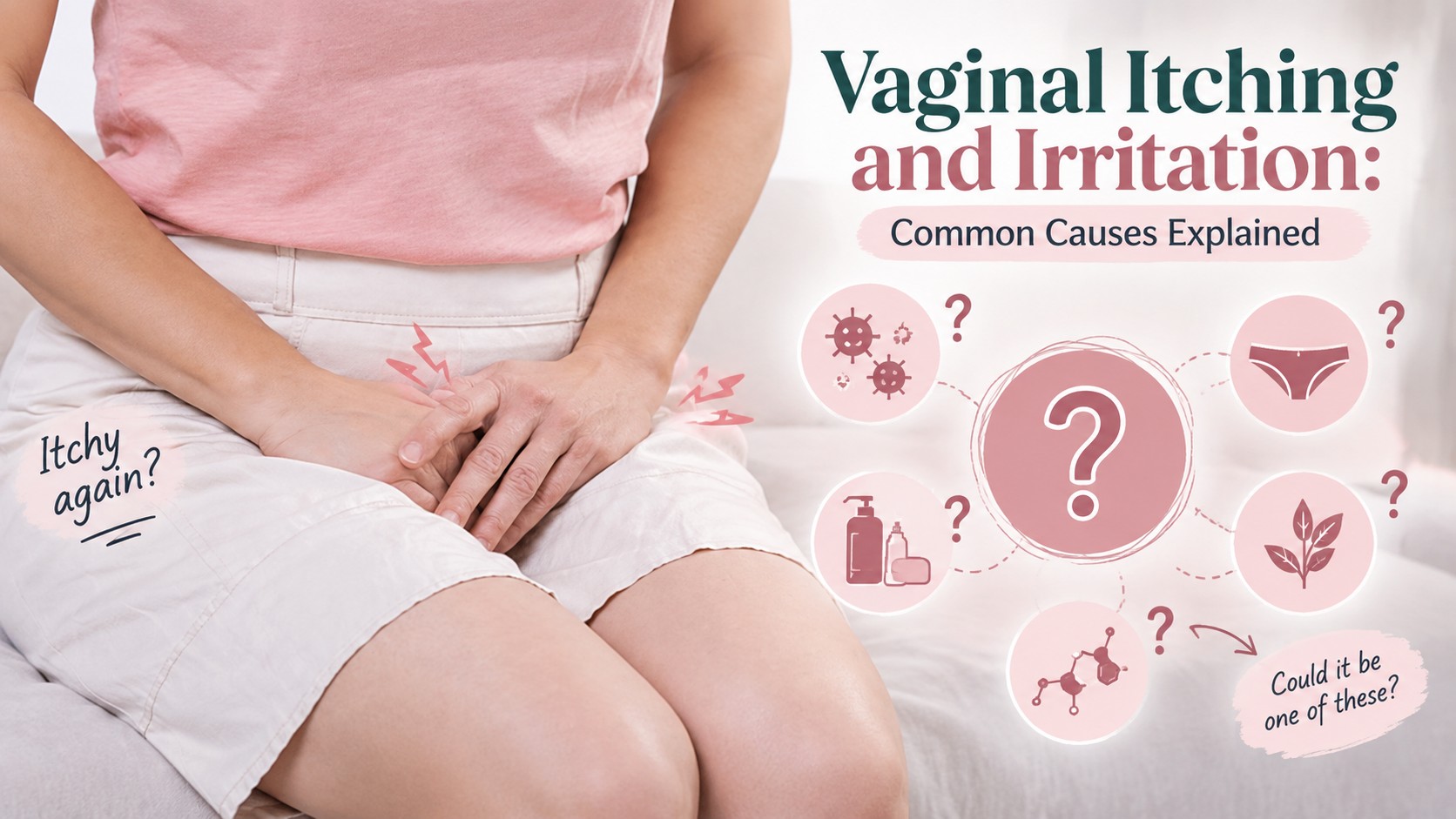
Vaginal itching is uncomfortable, distracting, and often a little embarrassing to bring up — but it's also extremely common and almost always has an identifiable, treatable cause. Here's a clear look at what's usually behind it.
An overgrowth of naturally occurring yeast can cause intense itching, often along with thick, white discharge and redness. This is one of the most common causes of vaginal itching.
An imbalance in the vagina's natural bacteria can cause itching along with discharge and a distinct odor. It requires different treatment than a yeast infection, so an accurate diagnosis matters.
Scented soaps, detergents, douches, feminine hygiene sprays, and even some fabric softeners can irritate sensitive vaginal skin and cause itching without any infection being present.
Conditions like eczema or contact dermatitis can affect the vulvar area just as they can affect skin elsewhere on the body.

Lower estrogen levels, such as those around menopause or while breastfeeding, can cause vaginal dryness that leads to itching and discomfort.
Some sexually transmitted infections can cause itching alongside other symptoms, and are worth ruling out with appropriate testing if relevant to your situation.
Itching rarely shows up alone. The other things you notice can point toward a likely cause, even though only an exam can confirm it.
Timing can help too. Itching that flares after a new soap, new underwear, or a new lubricant points toward irritation. Itching that starts after a course of antibiotics is a common pattern with yeast.
If itching comes with discharge changes or odor, it's worth reading about normal versus concerning discharge patterns, and if it keeps recurring, see our guide to recurring vaginal infections.
Mild itching from a new product often settles within a few days once you stop using it. It's a good idea to book a visit if:
A visit for itching is usually short. Your provider will ask about your symptoms, any new products, recent antibiotics, and your sexual health. They'll gently look at the vulva and vagina and may take a quick swab. The swab can be checked for pH, viewed under a microscope, or tested for yeast, BV, and STIs. If a skin condition is suspected, they may suggest a closer look or, sometimes, a small skin sample.
To get the clearest results, try not to douche, use vaginal creams, or have sex for a day or two before your appointment, unless your provider says otherwise.
When you're trying for a baby, itching can make intimacy feel like one more source of stress. Getting the cause checked and cared for helps you feel more comfortable during your fertile window. Some lubricants and spermicides can irritate the skin, and some may also slow sperm, so ask about fertility-friendly options. If you think you might be pregnant, check with a provider before using any vaginal treatment. You can learn more about timing in our guide to cycle phases and the fertile window.
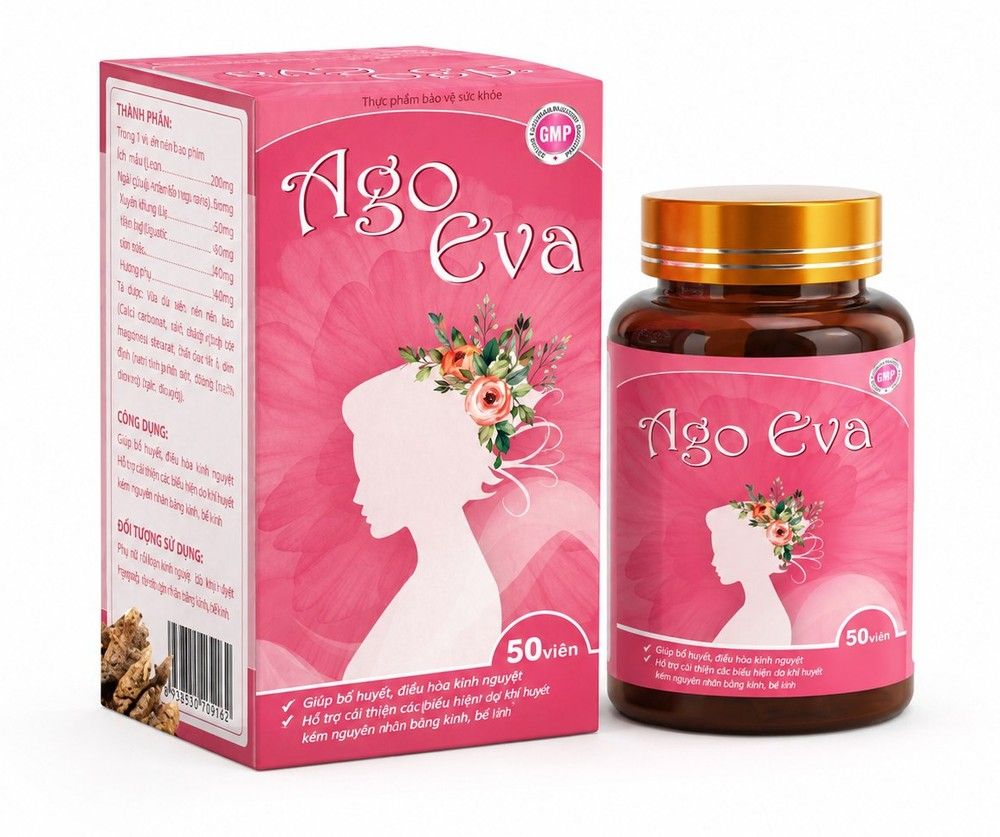
AGO Eva is formulated to help support general gynecologic wellness and everyday comfort as part of a broader care routine.
Message AGO Fertility Care and describe your symptoms and how long they've lasted. We'll help you understand possible next steps and a supportive care routine.
Chat With AGO on WhatsApp