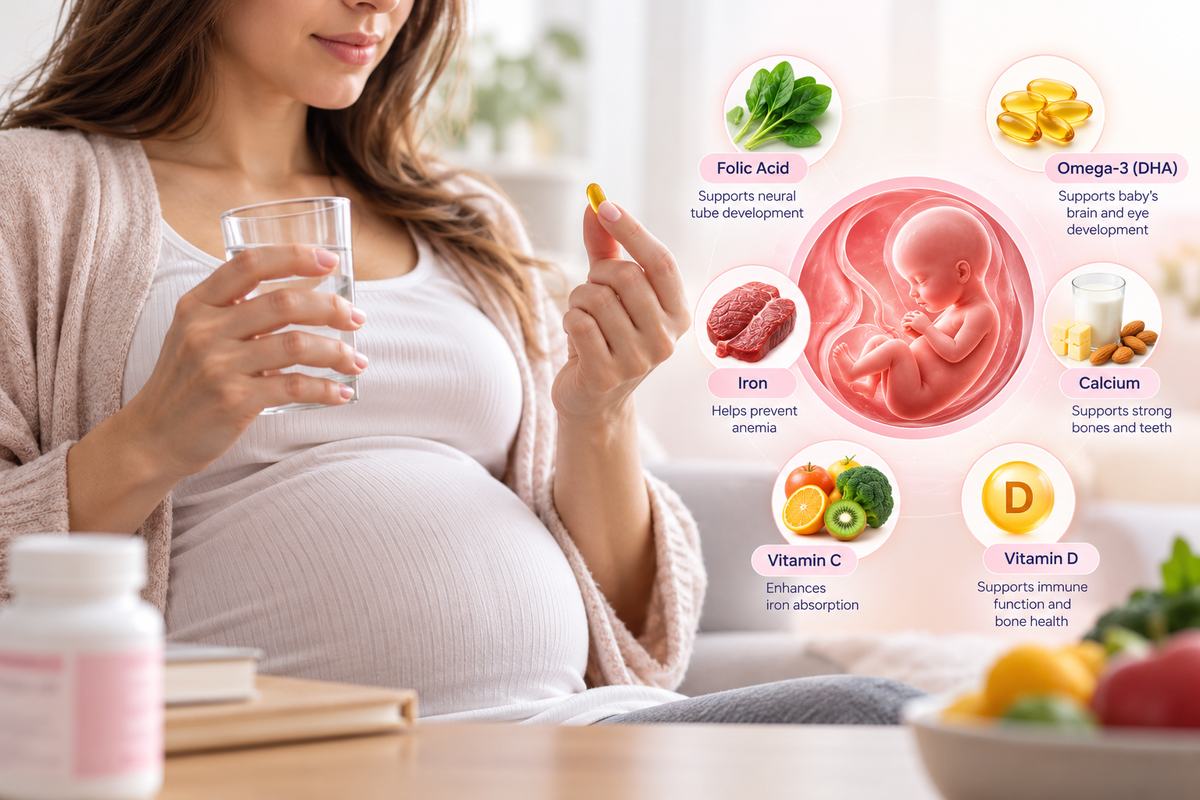
A good prenatal vitamin gives your body a steady supply of the nutrients that matter most in early pregnancy, often before you even know you're pregnant. When you compare labels, look for at least 400 micrograms (mcg) of folic acid, plus iron, iodine, vitamin D and choline. Many people also choose one with DHA, an omega-3 fat. Ideally, start taking it at least one month before you try to conceive.
Walk down the vitamin aisle and you'll see dozens of bottles that all promise the same thing. Some are gummies, some are tiny tablets, some come with a separate omega-3 capsule. The good news is that you don't need the most expensive option. You need the right ingredients in sensible amounts, and a vitamin you'll actually remember to take. Here's how to choose.
Your baby's brain and spinal cord start forming in the first weeks after conception, usually before a missed period. That's why the US Preventive Services Task Force recommends that anyone who could become pregnant take 400 to 800 mcg of folic acid every day. Folic acid helps lower the risk of neural tube defects, which affect the brain and spine.
A prenatal vitamin also helps fill everyday gaps. Even a healthy diet can run low on iron, iodine or vitamin D, and pregnancy raises your needs for all three. Think of the vitamin as insurance for your plate, not a replacement for it. For a deeper look at this one nutrient, read our guide to folic acid before and during pregnancy.

Turn the bottle around and look at the Supplement Facts panel, not the front of the box. A few things to check:
The best form is the one you'll take every day. Gummies are easy on the stomach and pleasant to chew, but they usually contain no iron and may have added sugar. Tablets often pack in more nutrients but can be large. Capsules and softgels are a good middle ground. If you choose a gummy, ask your provider whether you need a separate iron supplement.
Start at least one month before you begin trying, and ideally two or three. Keep going throughout pregnancy, and many providers recommend continuing while you breastfeed. If you're already pregnant and haven't started yet, don't worry. Begin now and mention it at your first visit.
"More is better." Doubling up won't give you extra benefits, and too much vitamin A or iron can cause problems. Stick to the label unless your provider advises otherwise.
"Prenatals make your hair and nails grow faster." Some people notice this, but it isn't a reliable effect and shouldn't be the reason to take them if you're not planning a pregnancy.
"If I eat well, I don't need one." A balanced diet is the foundation, but folic acid is hard to get in the recommended amount from food alone, which is why supplements are advised for everyone who could become pregnant.
Some people need a tailored plan, so talk to your provider before choosing if you:
Fertility is a team effort. Sperm take about three months to develop, so it helps when both of you start preparing at the same time. Healthy meals, less alcohol and not smoking support his reproductive health too. If you're curious about the low-folate signs to watch for, see our article on signs you might need more folic acid.
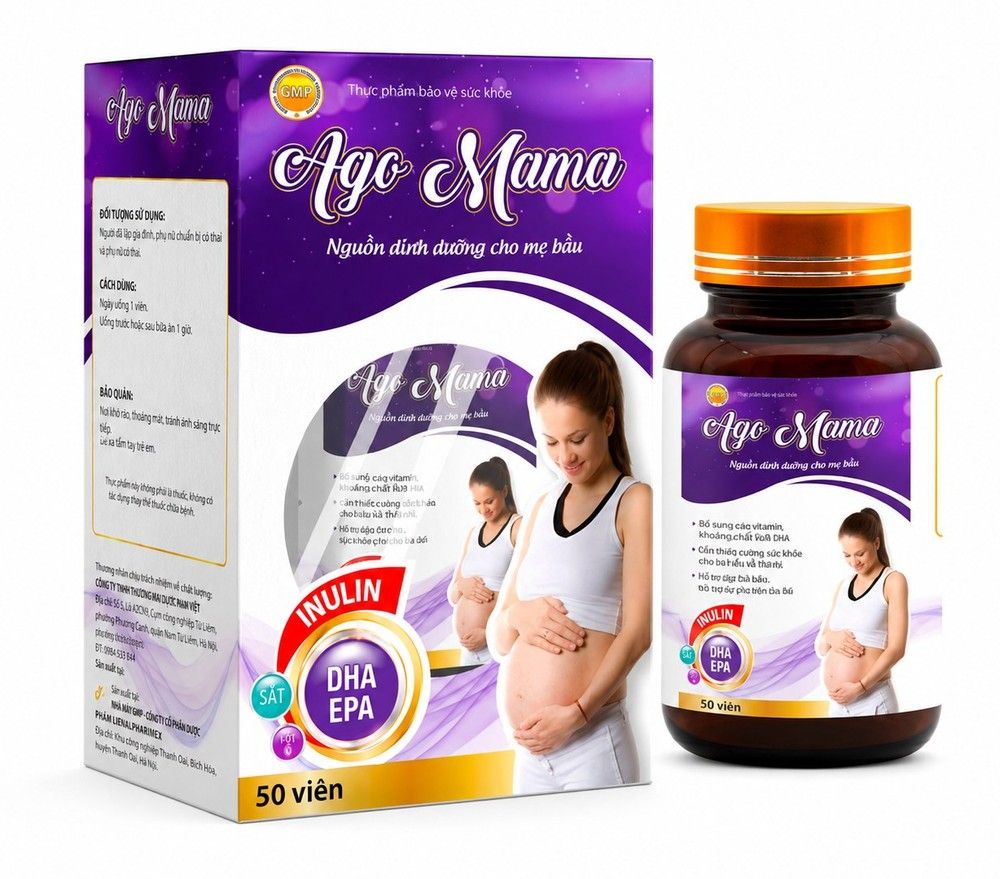
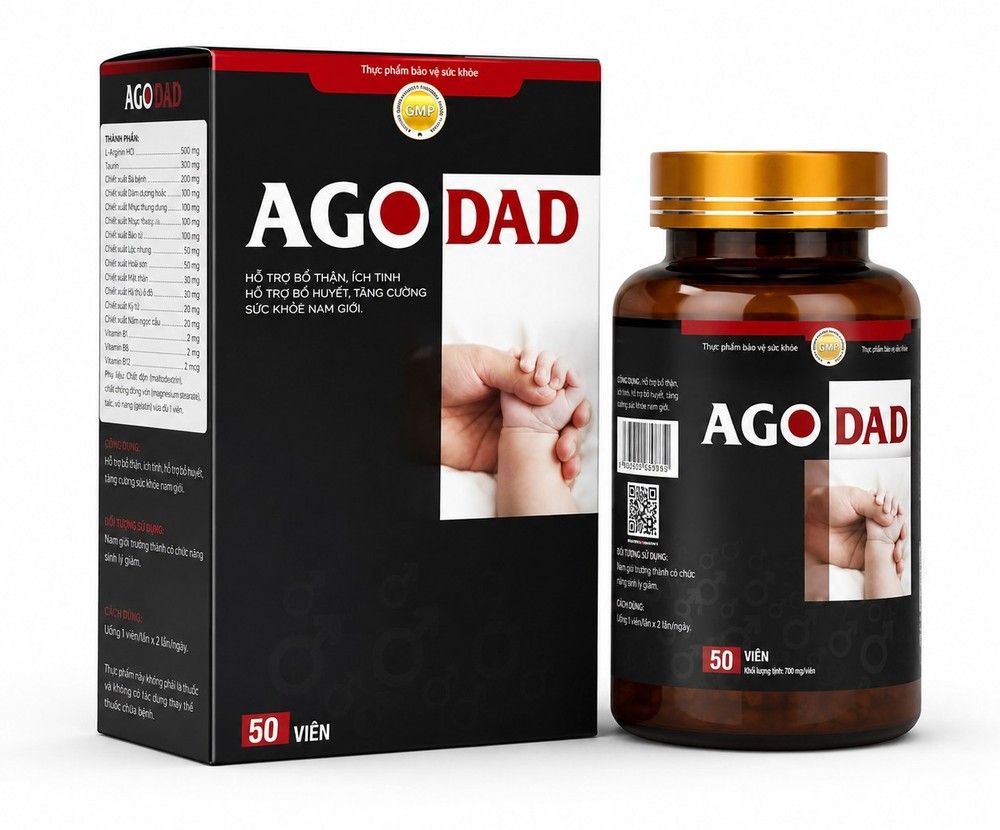
A good prenatal routine covers the basics, and many couples look for products made for each stage of the journey. AGO Mama supplies essential calcium, vitamins and minerals for women preparing for pregnancy, during pregnancy and after birth. It also supports overall health, helps reduce fatigue and supports immune health. While you're still trying, AGO Mom supports stable hormones and menstrual regulation, supports reproductive health and helps improve the chances of conception for women of childbearing age. For him, AGO Dad helps improve sperm quality and supports men's reproductive health. Each works best as part of a broader routine, alongside medical guidance. Ask your provider how a product fits with any other supplements you take.
Message AGO Fertility Care and tell us where you are on your journey. We'll listen and suggest a personalized care routine to go alongside your prenatal vitamin.
Chat With AGO on WhatsApp