Folic acid gets mentioned constantly in pregnancy advice — it's practically the first thing every prenatal checklist tells you to take. But far fewer conversations cover what happens when your levels quietly run low, and why catching that before you conceive matters so much more than catching it after a positive test. By the time most women realize they're pregnant, several of the most critical weeks for folic acid's role have already passed.
Folic acid (the synthetic, more stable form of the naturally occurring nutrient folate) is essential for healthy cell division and DNA synthesis — processes that are happening at an extraordinary pace in the earliest weeks of a developing pregnancy. Most critically, it supports the formation of the neural tube, which becomes the baby's brain and spinal cord, and which closes within the first 28 days after conception — often before a woman has even missed a period, let alone taken a pregnancy test.
The frustrating reality is that nearly every one of these symptoms overlaps heavily with ordinary stress, poor sleep, or a demanding week at work. A woman experiencing low folic acid rarely thinks "maybe it's a nutrient deficiency" — she thinks "I've just been busy." This is exactly why folic acid deficiency so often goes unnoticed until a routine blood test happens to reveal it, sometimes well after the deficiency has been present for months.
Because the neural tube forms and closes so early — within the first month of pregnancy — waiting until a positive pregnancy test to start taking folic acid means missing the exact window when it matters most. This is precisely why most doctors recommend women who could become pregnant start folic acid supplementation at least one to three months before actively trying to conceive, giving levels time to build up in the body.
The CDC recommends that anyone who could become pregnant get 400 micrograms (mcg) of folic acid every day, from a supplement, fortified foods or both. This is in addition to the natural folate you get from food. Most prenatal vitamins include this amount.
Some people may need a different amount. This can include people who have had a previous pregnancy affected by a neural tube defect, people with diabetes or certain other health conditions, and people who take some anti-seizure medications. If any of these apply to you, ask your doctor what is right for you before trying to conceive.
Anyone can run low, but some situations make it more likely:
If you have symptoms or risk factors, your provider may order a few simple blood tests. A complete blood count (CBC) looks at your red blood cells. When folate is low, red blood cells can become larger than normal, a type of anemia. A folate blood test measures the level directly. Vitamin B12 is often checked at the same time, because low B12 can cause very similar symptoms and needs a different approach.
Here are a few questions you might bring to your appointment:
Food can't fully replace a supplement before pregnancy, but it does add to your total intake and brings many other nutrients along with it. Good everyday sources include:
Light steaming instead of long boiling helps keep more folate in vegetables. For more ideas on building balanced meals, see our fertility nutrition guide and our look at the Mediterranean diet.
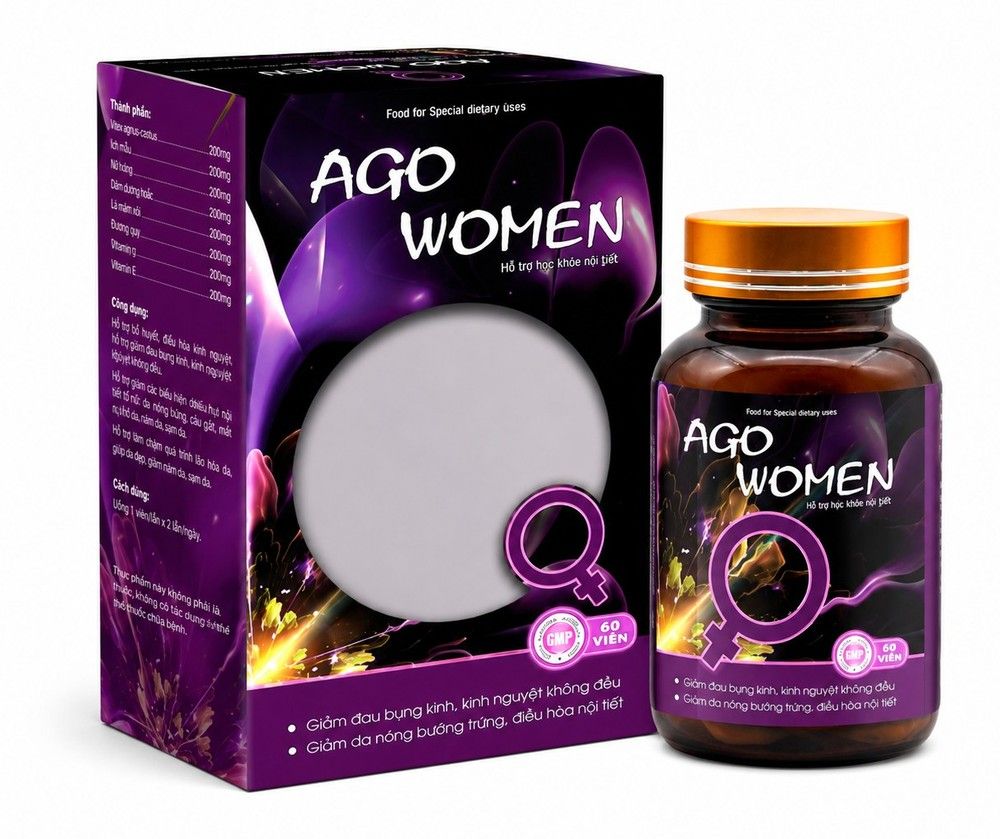
If you notice several of the signs above, or simply want peace of mind, a straightforward blood test can confirm your folate status. In the meantime, many women preparing for pregnancy choose a daily folic acid supplement as a safeguard rather than waiting to find out — which is exactly the role the folic acid included in Mẫu Nguyệt Đà+ is designed to play, helping support a woman's nutritional foundation well ahead of conception, not just after.

Before you start trying, message AGO Fertility Care for personalized advice on preconception nutrition and a care plan that fits your needs.
Chat With AGO on WhatsApp