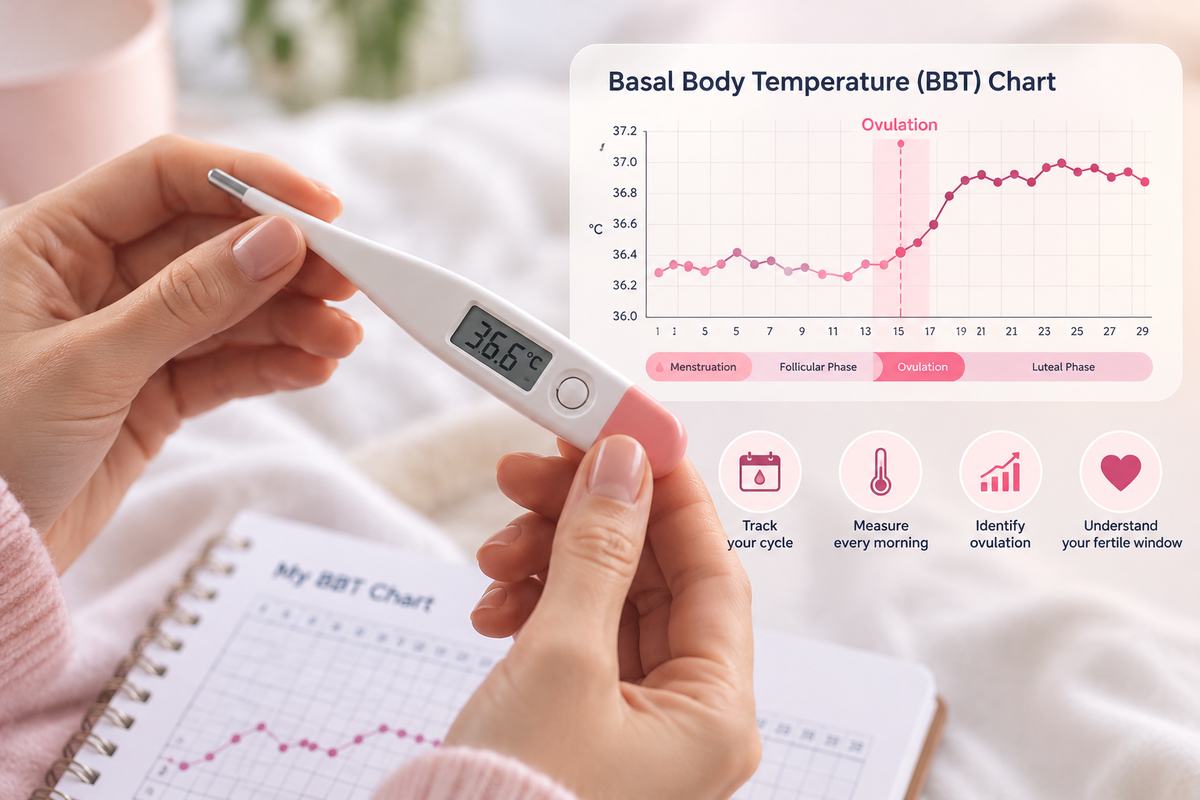
Your body leaves a small clue every time you ovulate, and a thermometer can catch it. Basal body temperature (BBT) is your resting temperature when you first wake up. After ovulation, the hormone progesterone raises it by about 0.5 to 1°F (0.3 to 0.5°C), and it stays higher until your next period. Charting your BBT each morning helps you confirm that ovulation happened and, after a few cycles, predict when your fertile days are likely to fall.
BBT charting is one of the oldest and most affordable ways to understand your cycle. All you need is a thermometer, a few seconds each morning and a little patience. Here's how to start, how to read your chart and how to get the most from it when you're trying for a baby.
BBT is your body's temperature at complete rest, before you get out of bed, talk or eat. It's lower than the temperature you'd measure later in the day, and it shifts in a predictable way across your cycle.
In the first part of your cycle, before ovulation, estrogen is in charge and your temperature stays in a lower range. Once you ovulate, the follicle that released the egg starts making progesterone, which warms your body slightly. If you don't become pregnant, progesterone falls and your temperature drops again around the time your period starts. To see how this fits with the rest of your cycle, read our guide to tracking your menstrual cycle.
Here's why timing matters: a reading at 6 a.m. one day and 8 a.m. the next isn't a fair comparison, because your temperature naturally creeps up the longer you sleep in. Start on the first day of your period and keep going through the whole cycle.
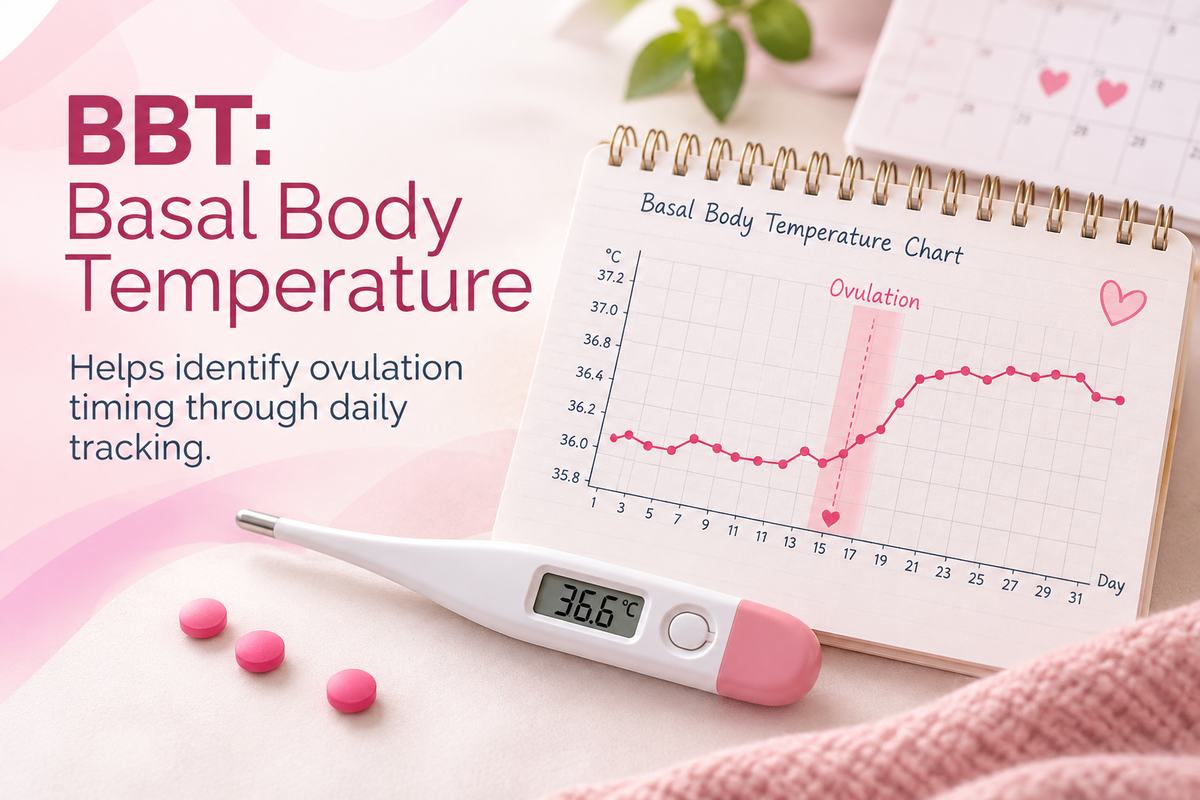
After a few weeks, a pattern appears:
If your temperature stays high for 18 days or more after ovulation, it may be an early sign of pregnancy. Take a pregnancy test to find out.
A single odd number is normal. These can affect your temperature:
Make a note next to any reading you think is off, and focus on the overall trend rather than single days.
Yes. Some women ovulate but have charts that look messy or show only a small shift, especially in the first few months of charting. That doesn't automatically mean something is wrong. If your charts never show a clear rise over several cycles, though, it's worth checking in with a doctor.
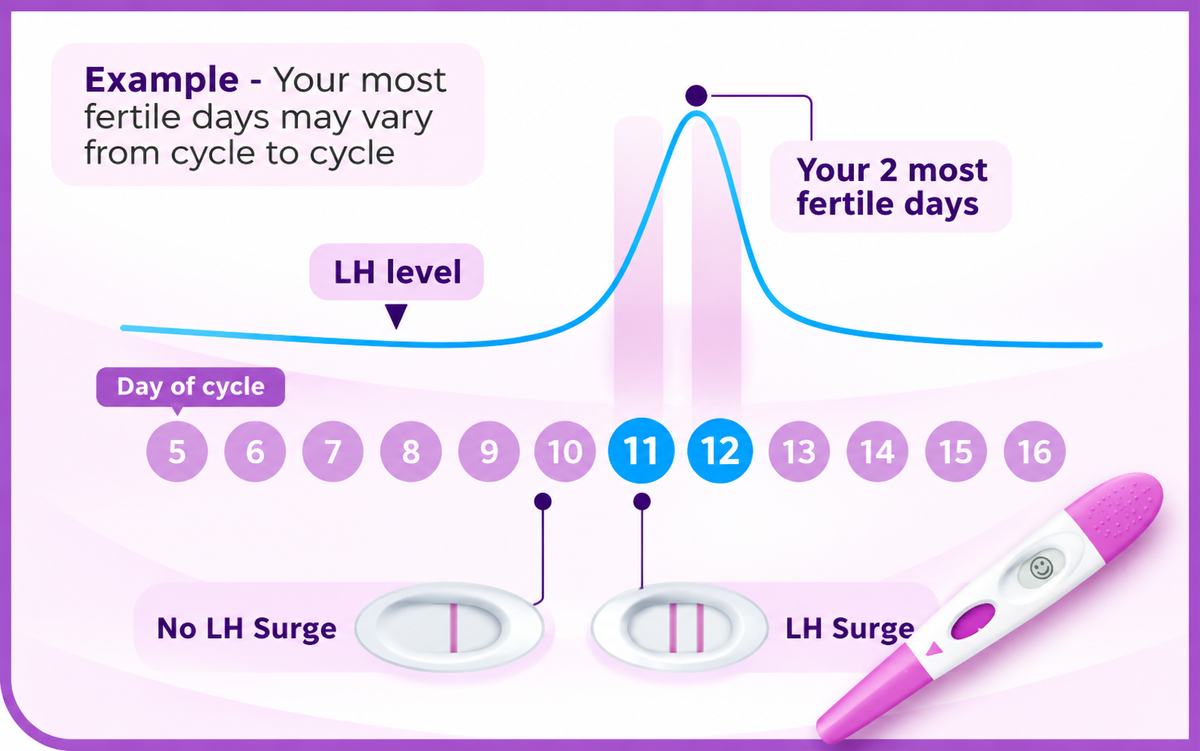
BBT confirms ovulation after it has happened, so on its own it can't warn you that your fertile window is starting. Your most fertile days are the few days before ovulation. That's why BBT works best alongside other signs:
After three or more cycles, your past charts help you predict when ovulation is likely next time.
Bring your charts along. And remember, fertility involves both partners, so it's a good time for him to get a check-up too.
Charting tells you what's happening, while daily habits help your body do its best work. Regular sleep, balanced meals, movement and stress care all support healthy ovulation. Some couples also add targeted nutrition. AGO Mom supports stable hormones and menstrual regulation, supports reproductive health and helps improve the chances of conception for women of childbearing age. Mẫu Nguyệt Đà+ is formulated to help support hormonal balance and reproductive wellness. Both work best as part of a broader routine, alongside medical guidance.
Message AGO Fertility Care with a photo of your BBT chart. We'll help you understand the pattern and suggest a personalized care routine for your journey.
Chat With AGO on WhatsApp