"We've been trying for months, but I'm still not pregnant."
"My periods are irregular. Could that be affecting my chances?"
"My AMH is low. Can I still get pregnant?"
"My wife's tests look mostly normal. Should I be tested too?"
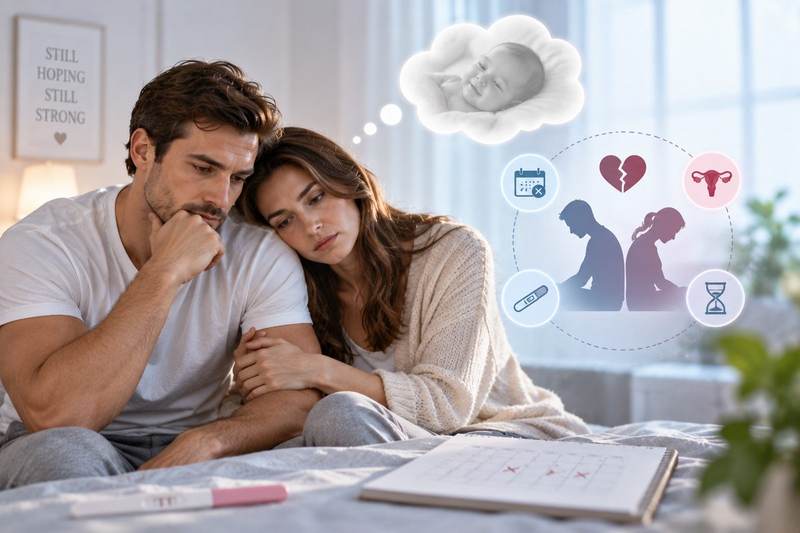
These are common questions during a fertility journey. Month after month of waiting can create a cycle of hope, disappointment, anxiety, and searching for something that will make pregnancy happen quickly.
Before looking for one product or one solution, it helps to understand a fundamental point: conception depends on several biological steps working together. A barrier may involve the female partner, the male partner, both partners, or sometimes no clear cause is identified immediately.
In simple terms: an egg develops and is released → sperm reaches the egg → fertilization occurs → the embryo travels toward the uterus → implantation occurs.
That is why a fertility evaluation should not focus on only one number, one organ, or one partner.
If ovulation does not happen regularly, there may be fewer opportunities for conception. Irregular menstrual cycles are one reason a clinician may look more closely at ovulation. PCOS is one of several conditions associated with ovulatory dysfunction.
Female age is an important fertility factor. Ovarian reserve may also be evaluated in certain situations, but tests such as AMH need to be interpreted correctly. A low AMH result does not mean "you cannot get pregnant," and AMH is not a direct measure of egg quality. Results should be considered together with age and the clinical picture.
For natural conception, sperm must be able to reach the egg and the resulting embryo must travel toward the uterus. Problems involving the fallopian tubes can interfere with this pathway and require appropriate medical testing to assess.
Depending on the individual, clinicians may consider uterine conditions, endometriosis, fibroids, pelvic history, or other structural factors. Whether a specific finding affects fertility depends on its location, severity, and the individual case.
This is frequently overlooked. A man can feel healthy and have normal sexual function while still having abnormal semen parameters. Semen analysis can provide information about sperm concentration/count, motility, morphology, and other parameters. Read more in our guide to men's fertility support.
Sometimes there is no obvious medical problem, but intercourse is not occurring during the fertile window. This can be particularly difficult to estimate when the woman has irregular cycles. Understanding ovulation can help couples time intercourse without turning conception into an excessively stressful schedule.
Smoking, heavy alcohol use, poor nutrition, inadequate sleep, some environmental exposures, and overall health can all be relevant. The goal should be sustainable health improvements rather than searching for one "fertility hack."
Certain health conditions or medications may be relevant to fertility. Both partners should share their medical history, surgeries, medications, supplements, pregnancy history, and previous test results with their healthcare professional. Do not stop prescribed medication simply because you are trying to conceive without first speaking to the prescribing clinician.
Not every couple receives one clear explanation after a few tests. This does not mean the problem is "just stress." Age, duration of trying, test results, reproductive history, and each couple's circumstances help guide the next step.
In general, fertility evaluation is commonly recommended after 12 months of regular unprotected intercourse without pregnancy when the female partner is under 35, and after about 6 months when she is 35 or older. For women over 40, or when a condition known to affect fertility is already present, earlier evaluation may be appropriate.
Couples should also consider seeking help earlier when there are very irregular or absent periods, known ovulation problems, suspected uterine or tubal disease, endometriosis, or a known male reproductive concern.

How many months have you been having regular unprotected intercourse? The answer matters, especially when considered alongside the female partner's age.
Are cycles predictable? Are periods skipped? How long is a typical cycle? These details can provide useful context. Read more in our guide to women's fertility support.
Do not ask only what may be happening with the woman. Review the male partner's reproductive and general health as well.
If you have already had AMH testing, hormone testing, ultrasound, semen analysis, or other evaluations, keep the results together. The overall picture is usually more informative than focusing on one result.
If you have reached the point when evaluation is recommended, or if there are known concerns, do not delay medical assessment solely to keep trying different products at home. Supplements may support nutrition or wellness according to their intended use, but they do not replace diagnosis or fertility treatment when medical care is needed.
Instead of a pattern where the woman takes multiple products, tracks ovulation, completes every test, and carries the monthly emotional pressure while the man changes very little, couples can take a shared approach:
Understand the situation → Prepare both partners' health → Get evaluated when appropriate → Improve lifestyle → Choose relevant support → Continue monitoring the journey.
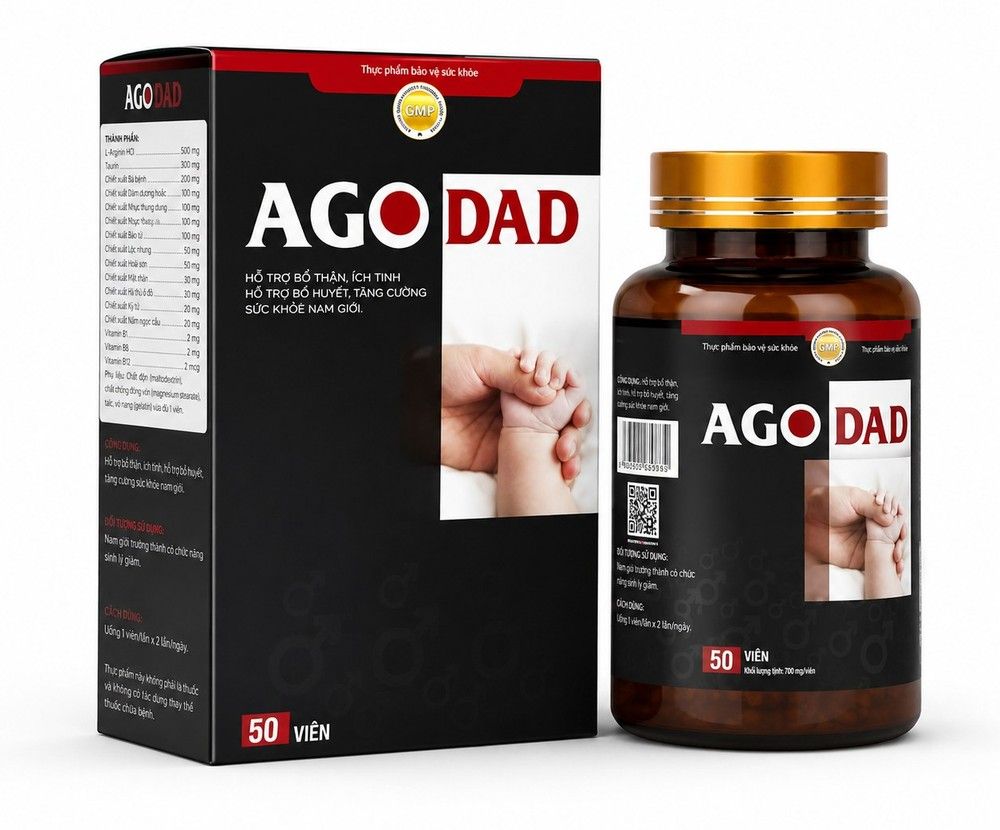
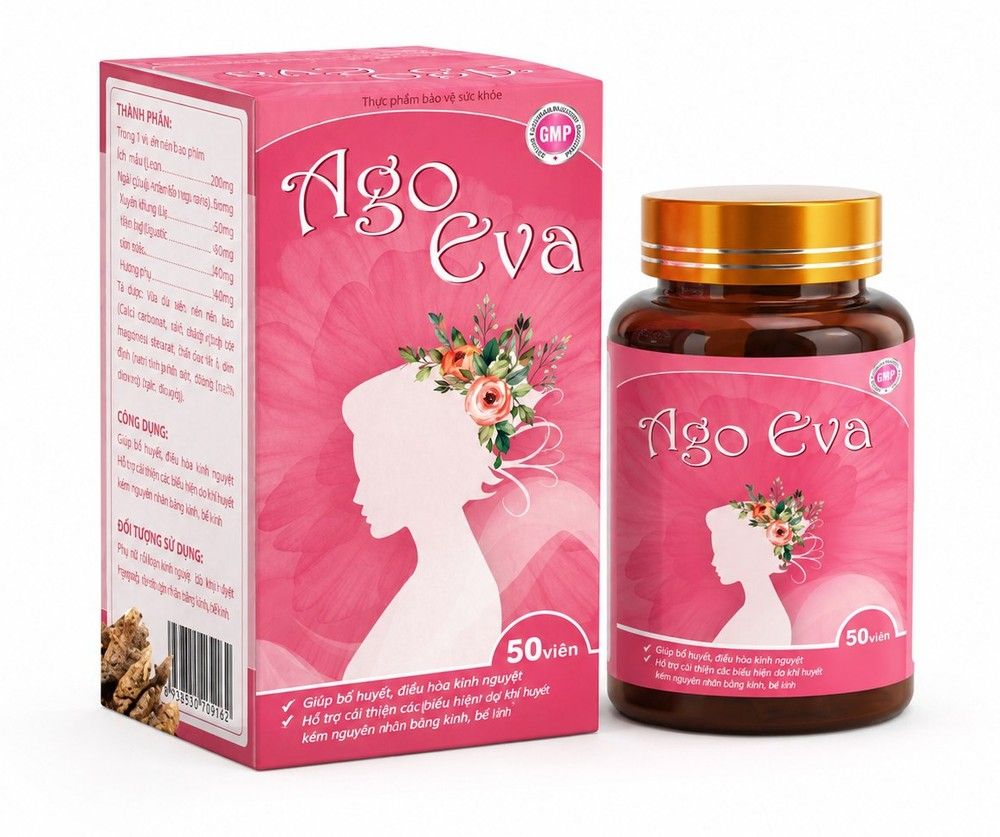
This is why AGO Fertility Care is positioned around supporting both women's and men's reproductive health rather than focusing on only one partner.
If you are reading this because pregnancy has not happened yet, you can start by sharing a few basic details with AGO Fertility Care:
Start with your fertility story: share your journey → identify the issues worth paying attention to → receive information about support options relevant to both partners.
AGO Fertility Care can help you organize your fertility information and understand possible next steps, while medical concerns that require diagnosis or treatment should be addressed directly with a qualified healthcare professional.
Chat With AGO on WhatsApp