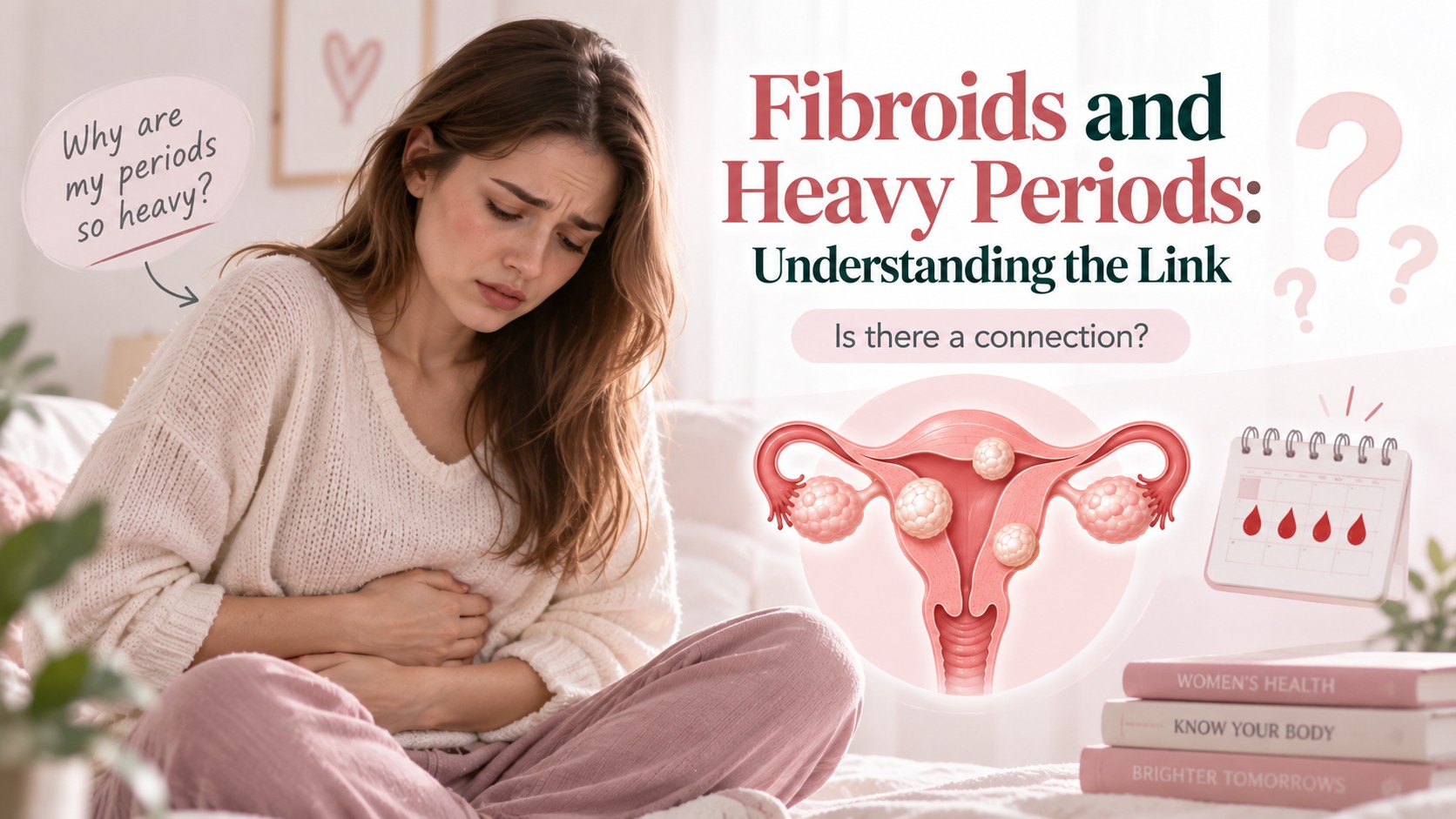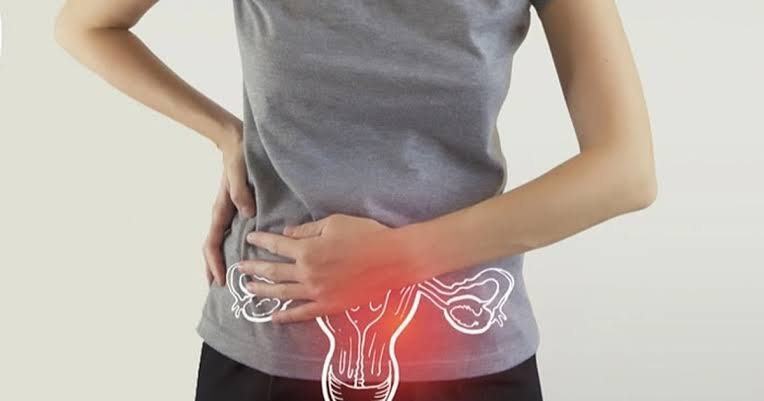
Many fibroids never cause symptoms. Fibroids become symptomatic mainly because of their size, location, number and response to hormones. Common signs of symptomatic fibroids include heavy or long periods, pelvic pressure, frequent urination, lower back pain and pain during sex. See a doctor if bleeding is very heavy or pain is severe.
Hearing the word "fibroid" for the first time can be unsettling, especially if you're hoping to start a family. But fibroids are very common, and many women live with them without ever noticing. Others have symptoms that affect their daily life. Understanding why the difference happens can help you know what to watch for and when to ask for help.
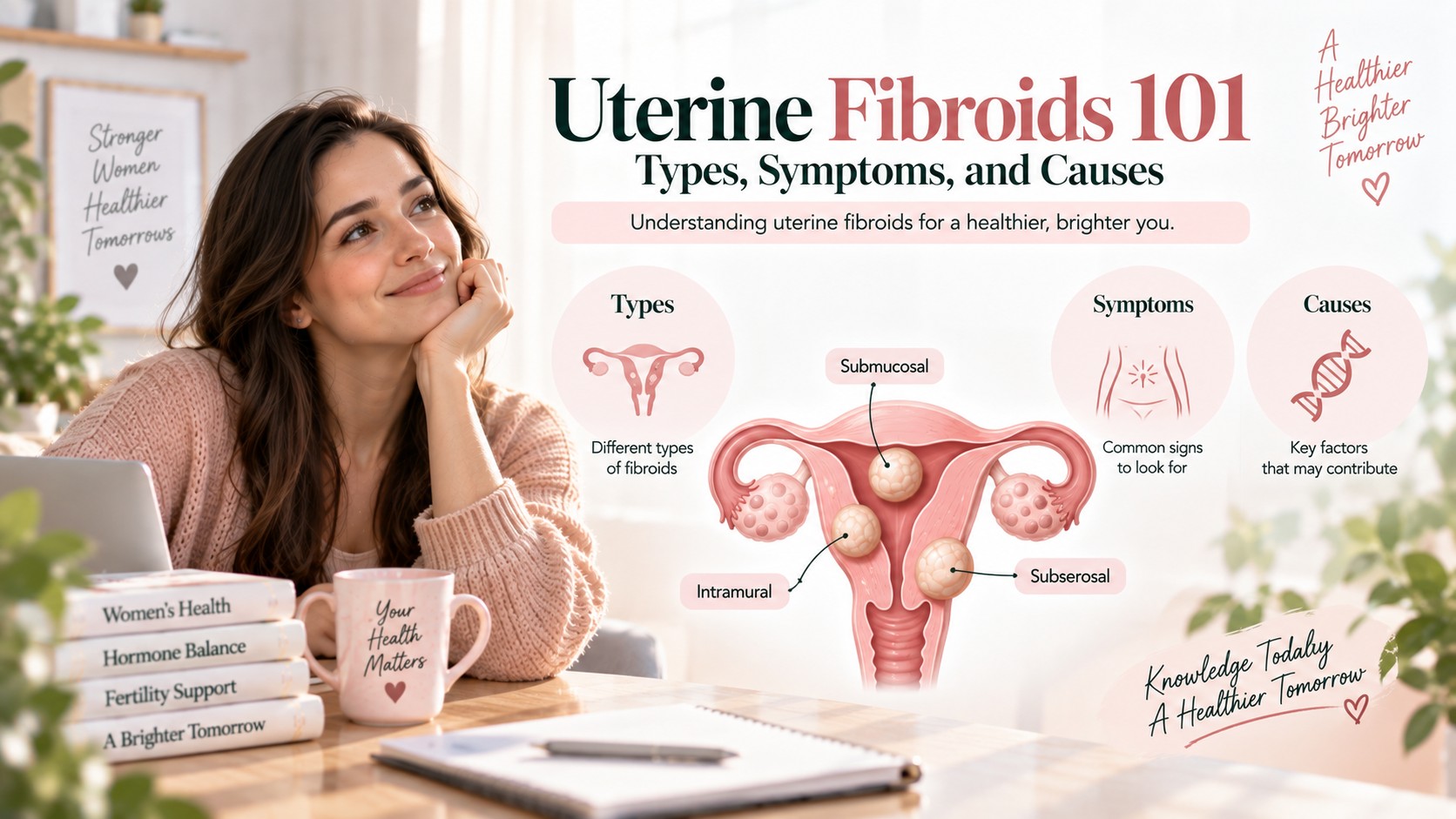
Uterine fibroids are non-cancerous growths of muscle tissue in the uterus. Most women will have at least one fibroid by age 50, yet many never know, because the fibroids are small and cause no problems. They're often found by chance during a routine pelvic exam or ultrasound. For the basics, read Uterine Fibroids 101.
Whether a fibroid causes symptoms depends on a few key factors:
These symptoms can also have other causes, so an ultrasound is usually needed to confirm what's going on.
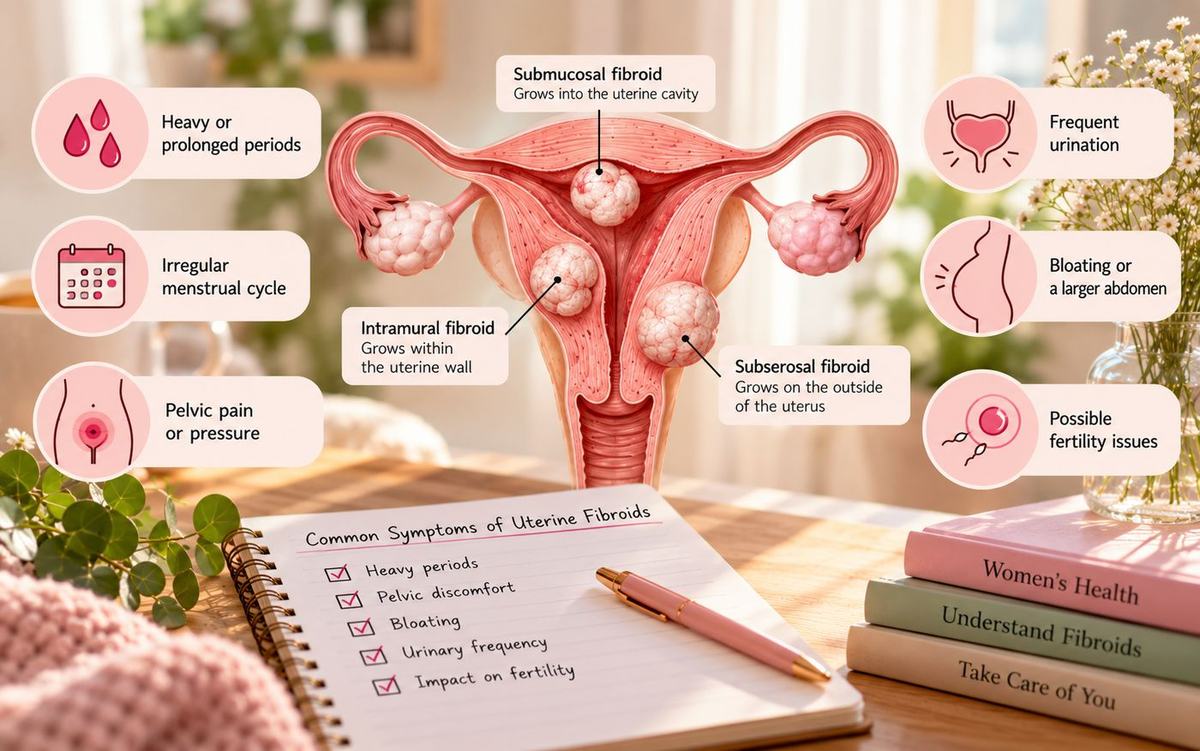
Fibroids are often first noticed during a routine pelvic exam, when the uterus feels larger or irregular in shape. To confirm, a provider usually orders a pelvic ultrasound, which shows the size, number and location of fibroids. In some cases, more detailed imaging such as an MRI, or a test that looks inside the uterine cavity, helps plan treatment. Blood tests may check for anemia if your periods are heavy. Knowing exactly where a fibroid sits is important, because location shapes both symptoms and treatment choices.
Most women with fibroids can get pregnant. Fibroids that change the shape of the uterine cavity are the type most likely to affect conception or pregnancy. If you're trying to conceive, our guide Can Fibroids Affect Your Ability to Get Pregnant? explains more. A fibroid finding doesn't mean the whole fertility picture rests on you. When a couple is planning pregnancy, it makes sense for both partners to be checked, including a semen analysis for him, so decisions about fibroids are made with complete information.
Because fibroids respond to hormones, symptoms can change over time:
If you notice new symptoms after menopause, or a fibroid that seems to grow quickly, let your provider know so they can check it properly.
Make an appointment if you notice heavy or long periods, pelvic pain or pressure, or changes in how often you urinate. Seek care right away if you have:
Your provider may recommend watchful waiting, medication to manage bleeding, or procedures, depending on your symptoms and plans for pregnancy.
A simple symptom diary makes your visit more productive. For two or three cycles, note:
This record helps your provider understand how fibroids affect your daily life, not just how they look on a scan.
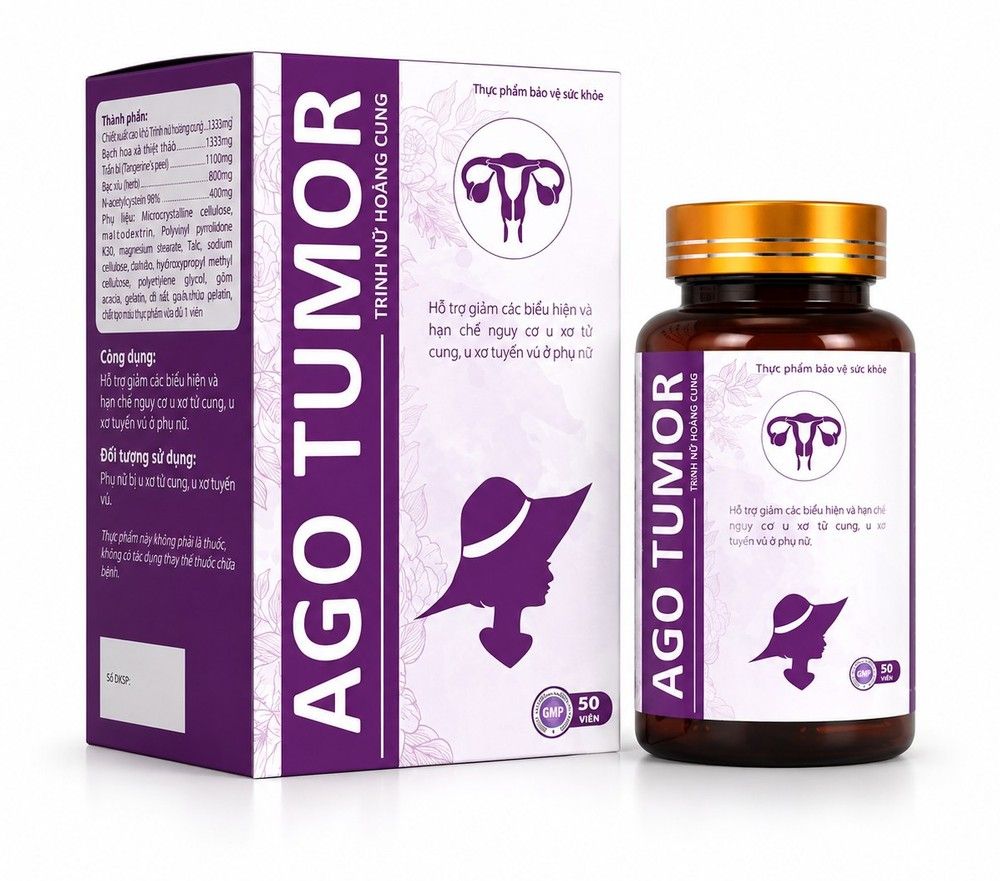
Alongside medical care, everyday habits can help you feel your best: iron-rich foods if your periods are heavy, regular movement, a balanced diet with plenty of vegetables and fiber, and support for stress and sleep. AGO Tumor is formulated to help support the health foundation of women managing fibroids or cysts, as part of a broader care routine alongside medical guidance.
Message AGO Fertility Care and tell us what you're experiencing. We'll listen and suggest a personalized care routine to use alongside your doctor's advice.
Chat With AGO on WhatsApp