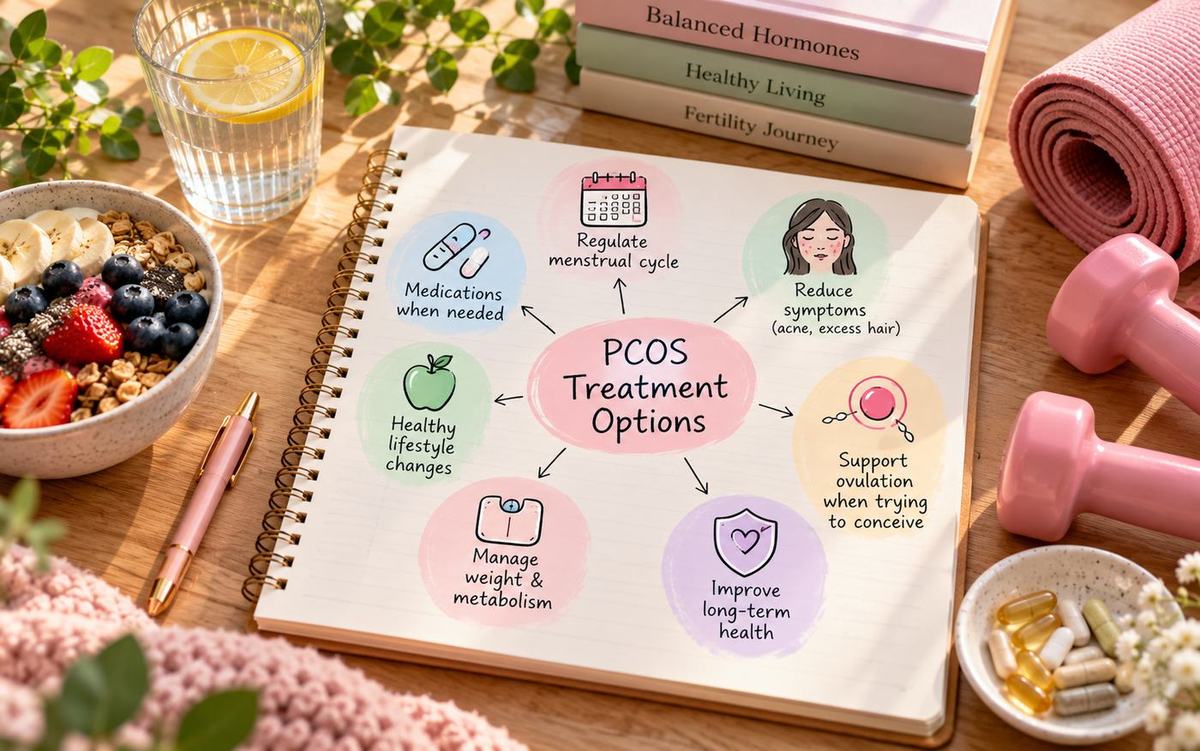
There is no single cure for PCOS, but polycystic ovary syndrome treatment can manage it well. Treatment depends on your goals: regulating your cycle, easing symptoms like acne or extra hair growth, protecting long-term health, or supporting ovulation if you're trying to conceive. Most plans combine lifestyle changes with medication when needed.
Being diagnosed with PCOS can bring up a lot of questions, and the treatment options can feel overwhelming. The most helpful way to think about treatment is to start with what matters most to you right now. Before looking for one quick fix, it helps to know that PCOS care is usually a combination of steps rather than a single answer. This guide walks through the common approaches doctors may recommend, in plain language, so you can have a more confident conversation with your provider.
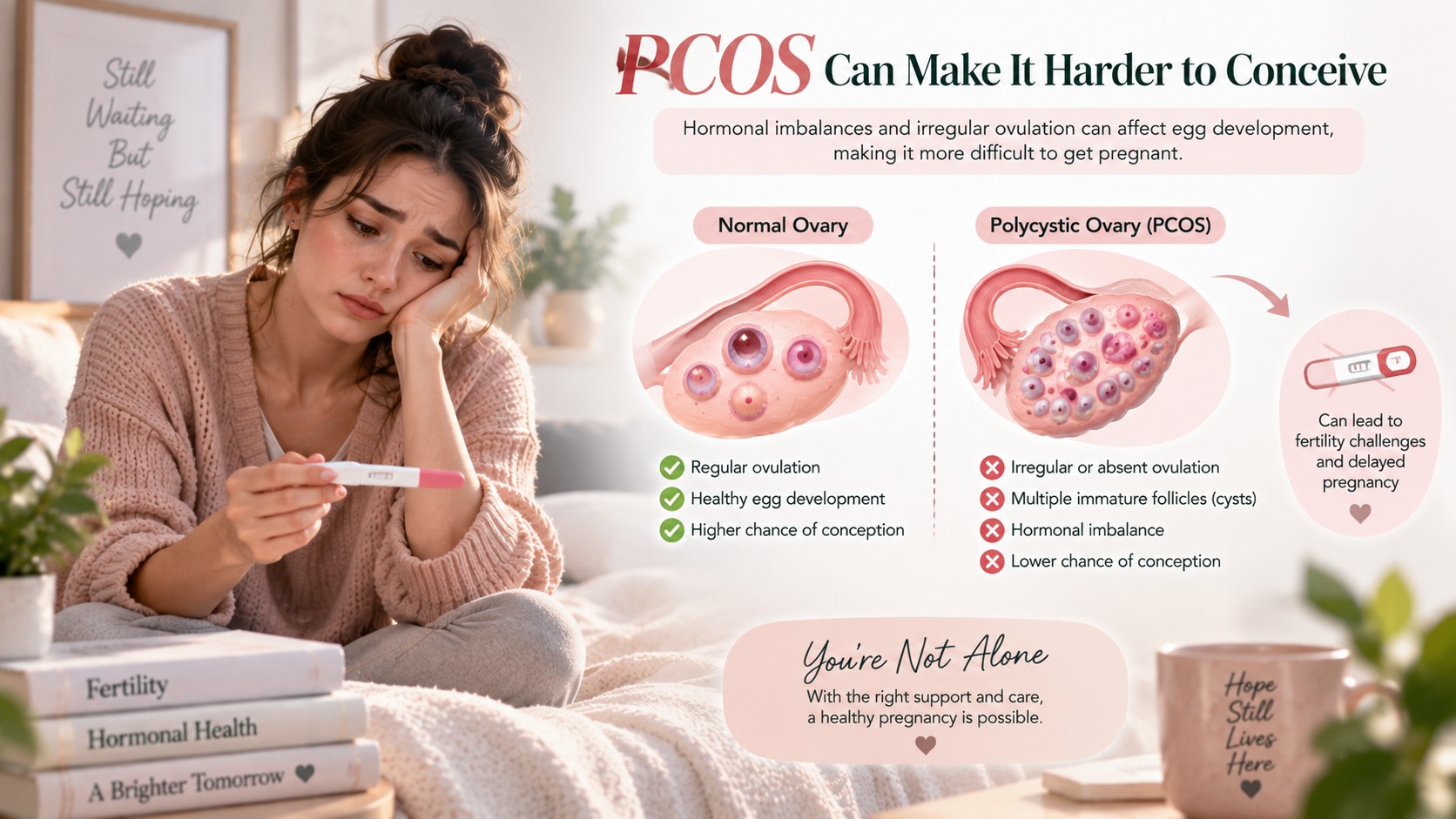
PCOS affects hormones, metabolism and ovulation, and it shows up differently in each woman. One person's main concern is irregular periods. Another is struggling with acne and hair growth. Another is trying to get pregnant. If you're new to PCOS, start with our guide to PCOS signs and causes.
A good treatment plan usually answers three questions:
Lifestyle steps are recommended for almost everyone with PCOS, whatever other treatment they use.
If you're not trying to conceive, doctors often suggest combined hormonal birth control (pills, patch or ring) to regulate periods and protect the uterine lining. Another option is progestin therapy, taken for part of each month or delivered by an IUD, which helps the lining shed regularly. These are not used while trying to get pregnant.
Metformin, a medicine commonly used for type 2 diabetes, is sometimes prescribed for women with PCOS and insulin resistance. It may help with blood sugar, and for some women it helps cycles become more regular.
High androgen (male hormone) levels cause many visible PCOS symptoms. Options may include birth control pills, anti-androgen medicines, prescription creams for unwanted facial hair, and hair removal methods such as laser or electrolysis. Anti-androgen medicines are not suitable while trying to conceive.
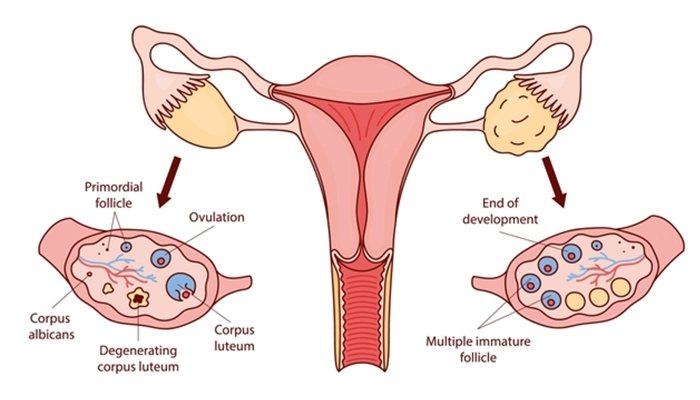
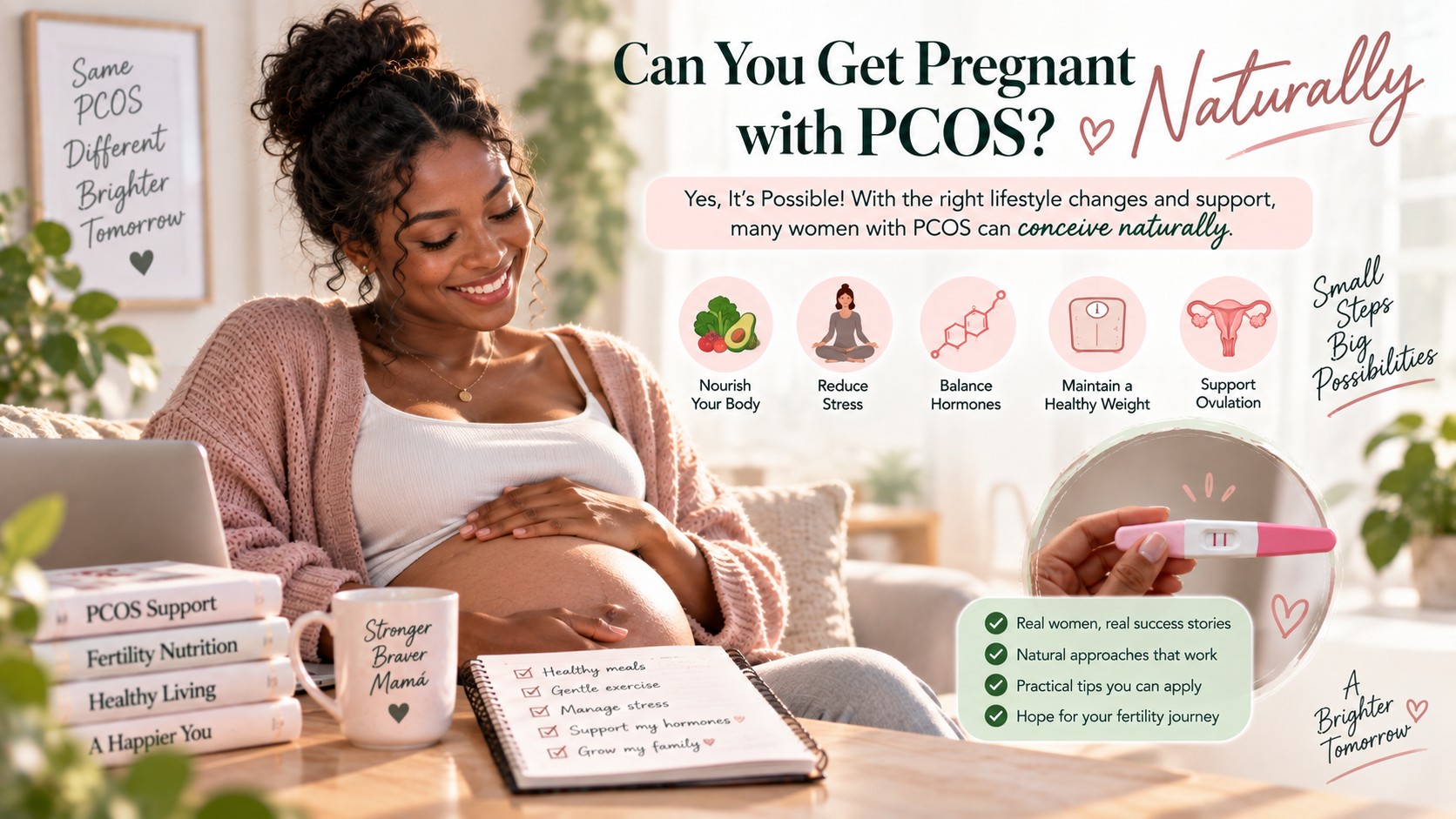
PCOS is one of the most common causes of ovulation problems, but many women with PCOS do get pregnant. Our article Can You Get Pregnant Naturally With PCOS? covers this in more depth. When ovulation needs support, a fertility doctor may discuss:
Your provider will tailor the approach to your age, health and how long you've been trying.
Remember that conception involves both partners. Even when PCOS is the known factor, a semen analysis for your partner is a simple, early step, so your plan is based on the full picture and not on one diagnosis alone.
PCOS is about more than periods and fertility. Over time, it's linked to a higher risk of type 2 diabetes, high cholesterol, high blood pressure and sleep apnea. When periods are very infrequent, the uterine lining can also build up, which is why doctors pay attention to regular shedding. Regular check-ups, including blood sugar and cholesterol tests, help catch changes early. The good news is that the same healthy habits that support your cycle also protect your long-term health.
Writing your questions down before the appointment helps you leave with a plan you understand and feel comfortable with.
Treatment works best when everyday habits support it. A few small, steady changes often make the biggest difference:
Progress with PCOS is often gradual. Give each change a few months before judging whether it helps.
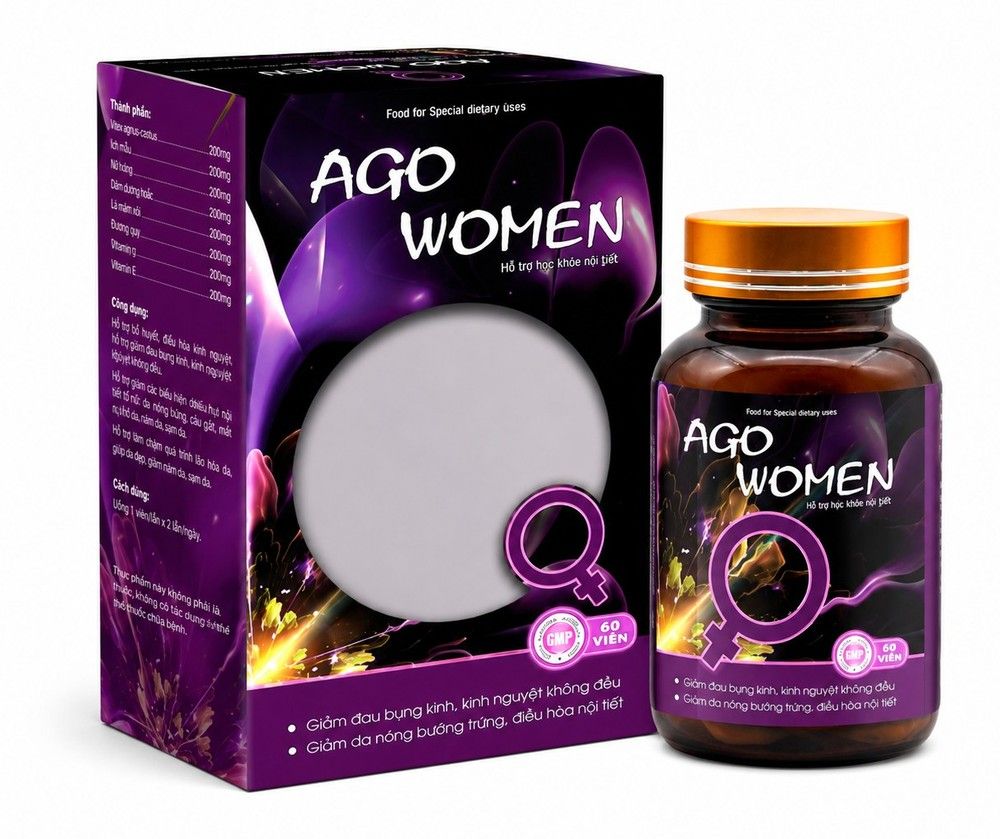
Many women with PCOS also look for ways to support their body between appointments. Nutrients such as inositol have been studied for PCOS, and a balanced diet remains the base. AGO Women and AGO Mom are formulated to help support hormonal balance and a healthy cycle as part of a broader PCOS care routine, alongside, not instead of, the treatment your doctor recommends.
Message AGO Fertility Care and tell us what matters most to you right now. We'll listen and suggest a personalized care routine to use alongside your doctor's advice.
Chat With AGO on WhatsApp