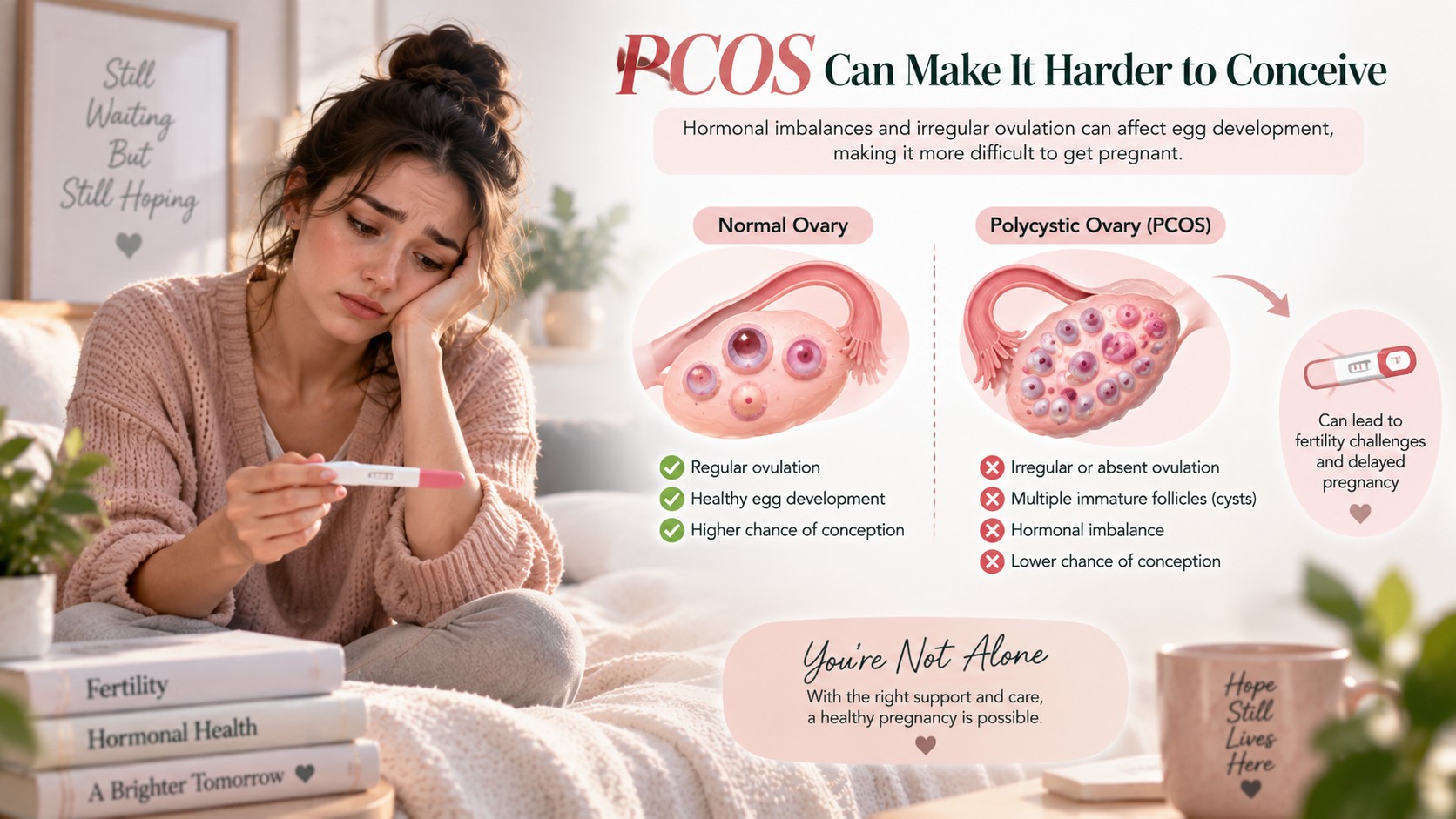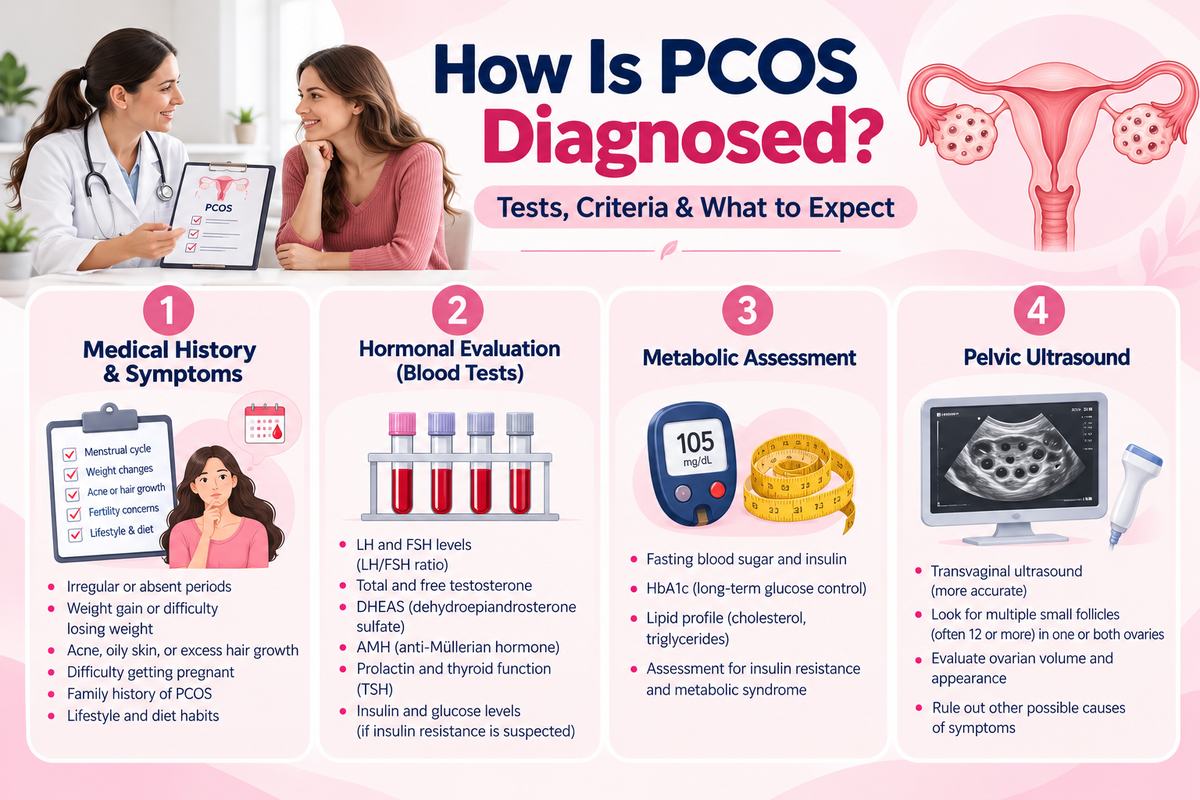
PCOS (polycystic ovary syndrome) affects roughly 1 in 10 women of childbearing age, yet many go years without a clear answer. Doctors diagnose it when you have at least two of three features: irregular or absent ovulation, signs of higher androgen levels, and polycystic ovaries on ultrasound or a high AMH level. Before confirming it, they also rule out other conditions that can look similar, such as thyroid problems or high prolactin.
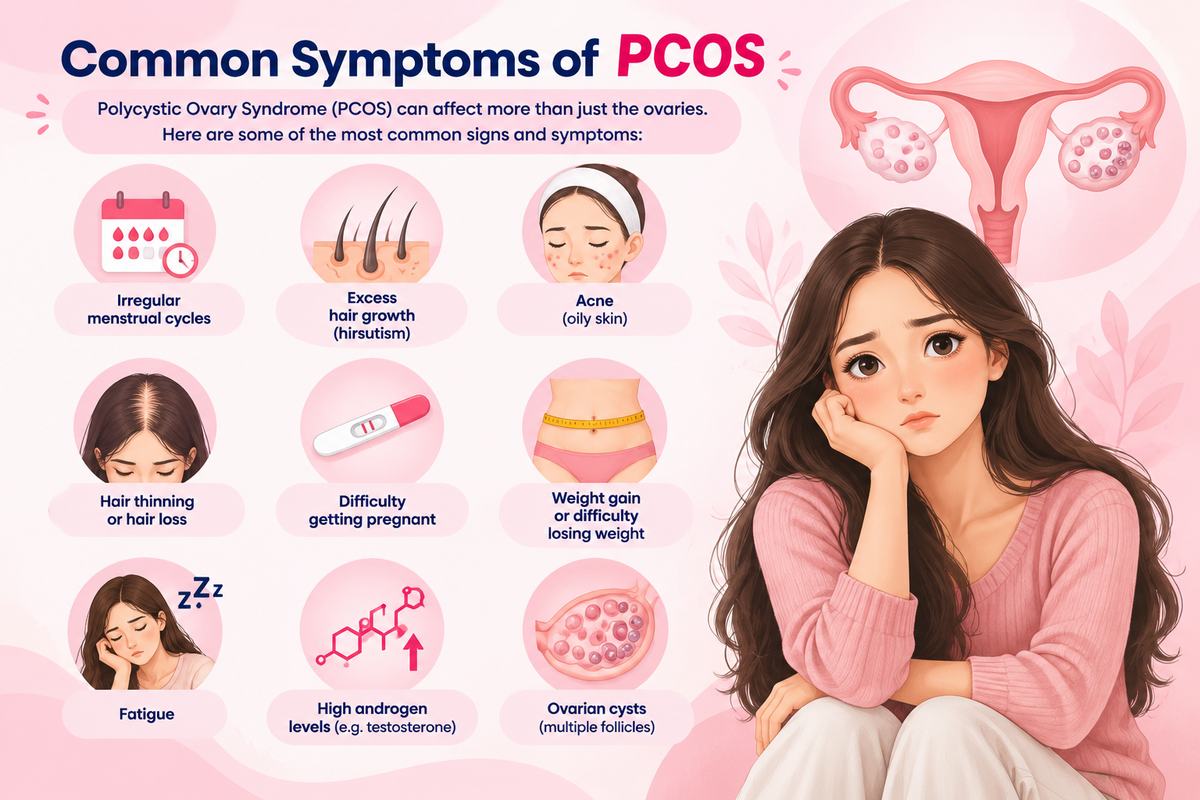
If you've been living with unpredictable periods, stubborn acne or unwanted hair growth, you might already suspect PCOS. Getting a diagnosis can feel like piecing together a puzzle, but once you know what doctors look for, the process becomes much less mysterious. Here's how it works, step by step.
PCOS doesn't look the same in everyone. One woman may skip periods for months but have clear skin. Another may have regular-looking cycles but higher testosterone and thinning hair. Many signs also overlap with other conditions, or with normal changes in the teenage years.
So instead of one test, doctors put together several pieces: your cycle history, a physical exam, blood work and sometimes an ultrasound. For a broader overview of the condition, read our guide to PCOS signs and causes.
Most doctors use the Rotterdam criteria, which current international guidelines are built on. You need at least two of these three:
Having only one of these doesn't mean you have PCOS. Small follicles on an ultrasound are also common in women without the condition.
You might come across other sets of criteria, too. The older NIH definition requires both irregular ovulation and high androgens. The Androgen Excess and PCOS Society definition requires high androgens plus one of the other two features. These stricter versions can lead to a slightly different answer, which is one reason it helps to ask your doctor exactly which features you meet.
Because PCOS is linked to insulin resistance, your doctor may also check blood sugar and cholesterol. These don't diagnose PCOS, but they help guide long-term care.
Irregular cycles and acne are very common in the first few years after periods begin. That's why guidelines advise against using ultrasound to diagnose PCOS within eight years of a first period. Teens may be described as "at risk" and checked again later.
A little preparation can save you time and a second appointment:
If you're trying to conceive, say so. It shapes which tests your doctor orders, and it's a good moment to plan a check-up for your partner, too.
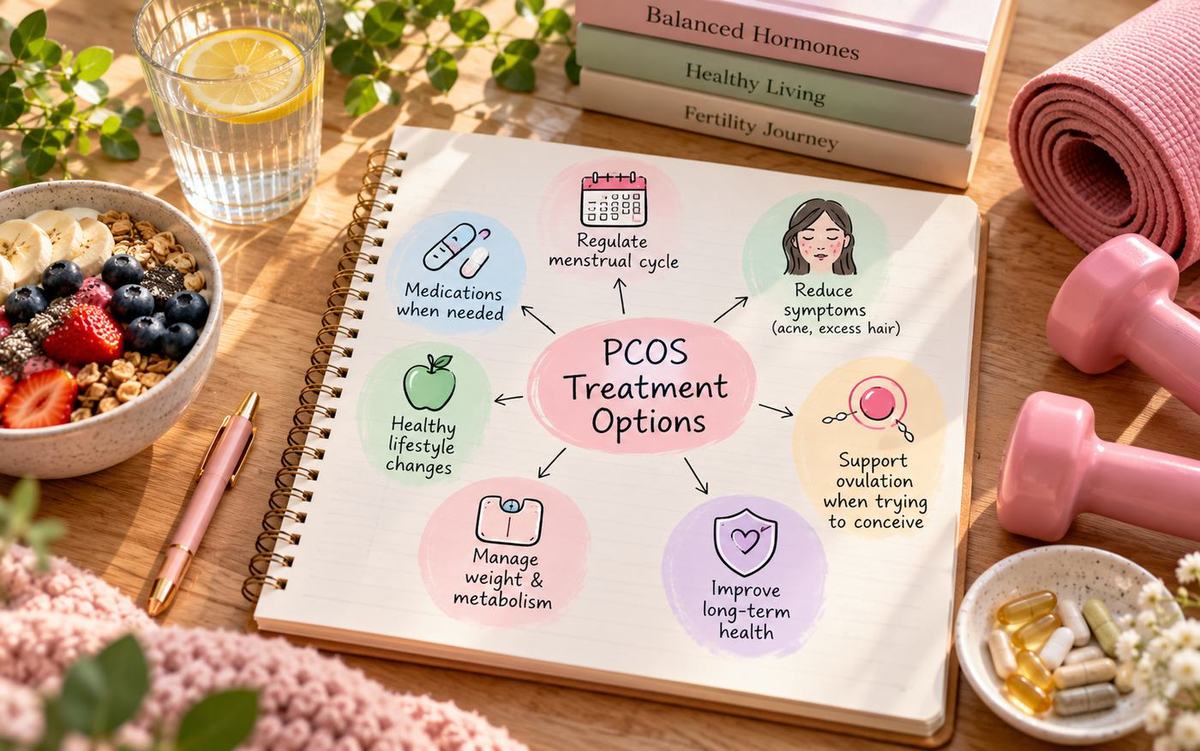
A PCOS diagnosis can feel overwhelming at first, but it also brings clarity and a plan. For many women with extra weight, losing even 5 to 10 percent of body weight can help periods become more regular. Balanced meals with plenty of vegetables, whole grains and lean protein, plus regular movement you enjoy, are the foundation. Our article on PCOS treatment options explains what doctors may recommend.
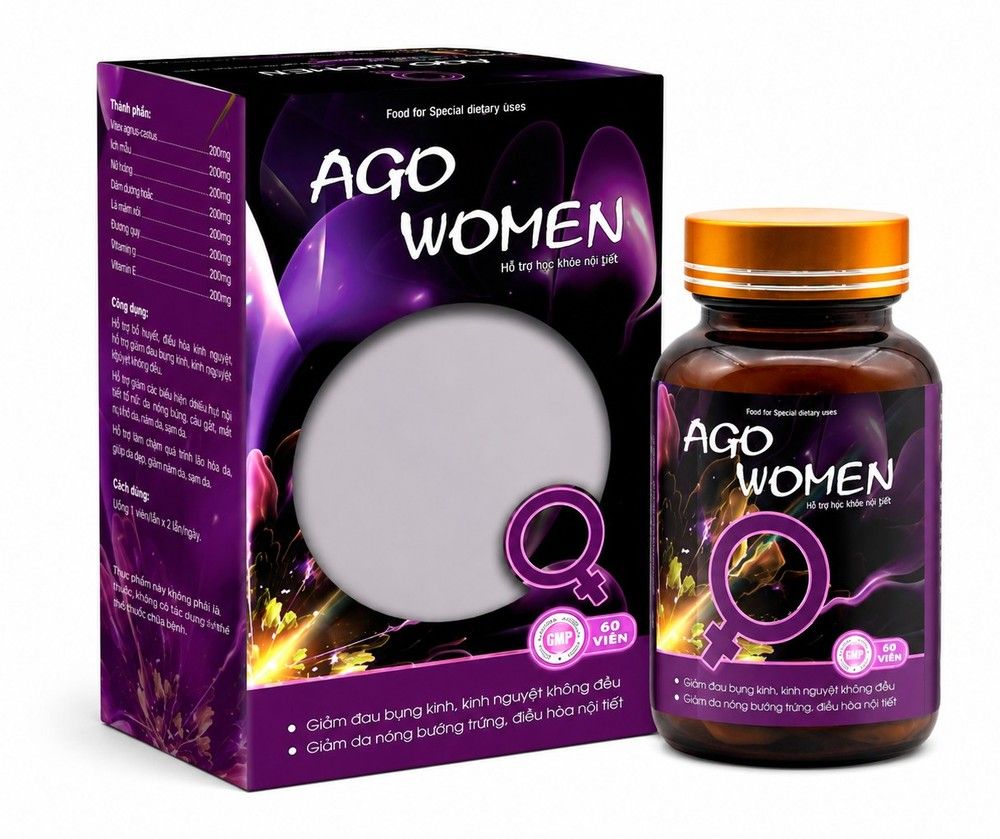
Alongside your doctor's advice, balanced meals, regular movement, good sleep and stress care form the foundation of PCOS self-care. Some women also choose targeted nutrition. AGO Mom supports stable hormones and menstrual regulation, supports reproductive health, and helps reduce the risk of infertility related to PCOS. Paired with AGO Women, which is formulated to help support hormonal balance, a regular cycle and overall vitality, it can be part of a broader care routine alongside medical guidance.
Message AGO Fertility Care and tell us about your cycle and symptoms. We'll listen, help you prepare for your next steps and suggest a personalized care routine.
Chat With AGO on WhatsApp