Men don't need a prenatal vitamin in the same way women do, but what a man eats in the months before conception still matters. Sperm take about 74 days to form and a few more weeks to mature, so the nutrients you get today shape the sperm you'll have in roughly three months. Zinc, selenium, folate, vitamins C, D and E, and omega-3 fats all play a part in healthy sperm.
When a couple starts planning for a baby, most of the attention goes to her vitamins and her cycle. Yet male factors play a role in roughly one in three couples who have trouble conceiving. The encouraging part is that sperm are constantly being renewed. That means small, steady changes can make a real difference, and the best time to start is about three months before you begin trying.
Each sperm carries half of your baby's genetic material. To do its job, it needs to be made in the right numbers, swim well and have a normal shape. These qualities depend partly on your overall health, including your weight, sleep, stress levels and diet.
Sperm are especially sensitive to oxidative stress, a kind of wear and tear caused by smoking, alcohol, heat, pollution and a diet low in fruits and vegetables. Antioxidant nutrients help protect sperm cells from this damage. To learn more about everyday factors, read our guide to sperm quality and daily habits.

For many men, a balanced diet covers most of these nutrients. A supplement can help fill gaps if your diet is limited, you eat few fruits and vegetables, or your provider finds low levels of a nutrient such as vitamin D.
If you decide to take one, a standard men's multivitamin or a supplement made for male fertility is usually a better fit than a women's prenatal, which is designed with high iron levels men typically don't need. Read more about choosing well in our guide to male fertility supplements.
Start at least three months before you plan to try, since that's about how long one batch of sperm takes to develop and mature. Keep going while you try. If you're having a semen analysis, ask your provider about retesting after around three months of healthy changes.
You don't need a complicated meal plan. A day like this covers most of the key nutrients:
"Fertility is mostly the woman's job." Fertility involves both partners, and male factors are just as common.
"If I have a healthy sex drive, my sperm must be fine." Libido and sperm quality aren't the same thing. Only a semen analysis can tell you about count and movement.
"Taking more vitamins means better sperm." Too much of some nutrients, such as selenium or vitamin E, may be harmful. More isn't better.
It's a good idea for him to see a doctor if:
A semen analysis is simple, non-invasive and one of the most useful first steps for a couple.
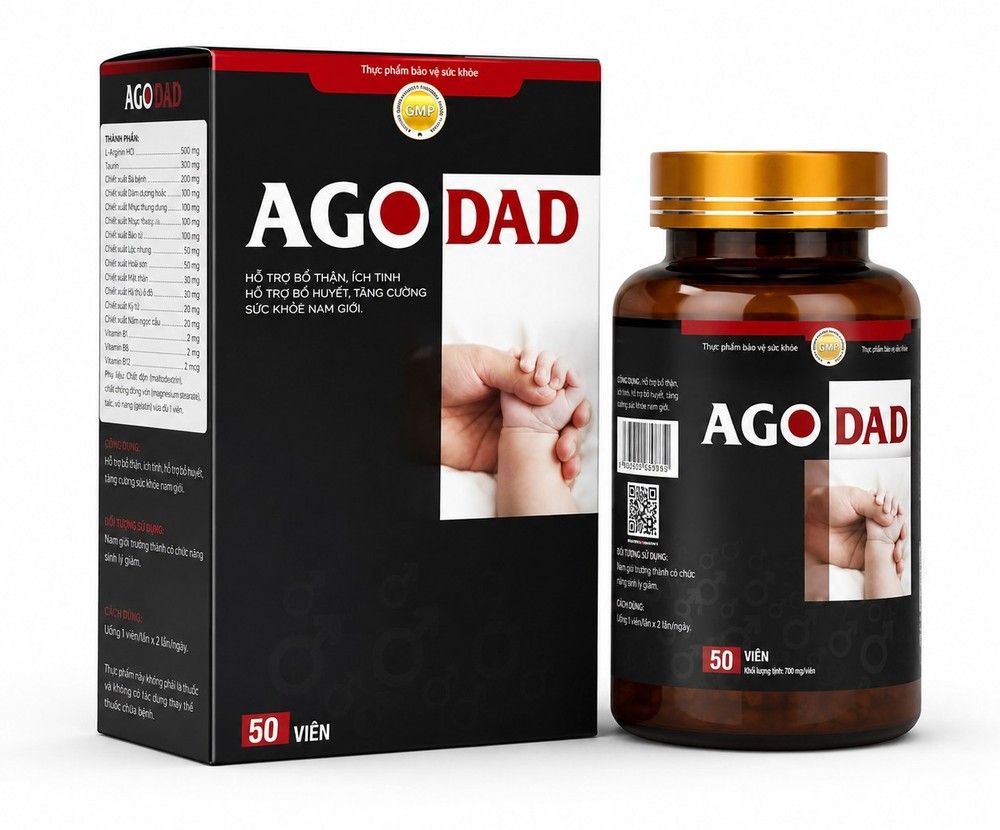
Healthy habits come first, and some men also choose targeted nutrition while preparing for fatherhood. AGO Dad combines zinc, selenium, CoQ10, L-carnitine, folic acid and lycopene with traditional herbal extracts and is designed to help improve sperm quality and support men's reproductive health. Mãnh Lực Đà is formulated to help support vitality and reproductive wellness. For her, AGO Mom supports stable hormones and menstrual regulation and supports reproductive health. Each works best as part of a broader routine, alongside medical guidance when it's needed.
Message AGO Fertility Care and tell us about your plans. We'll listen and suggest a personalized care routine for both of you.
Chat With AGO on WhatsApp